More Posts:

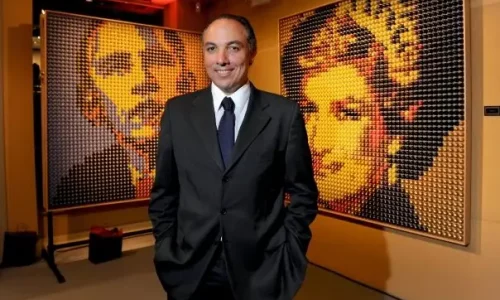
Ricardo Bellino standing in front of his Pixtures artwork, created from recycled Nespresso capsules.

Ricardo Bellino: Transforming Coffee Capsules into Iconic Art

arte yeonwoo

Kim TaeGeun: Revolutionizing Digital Art in ANASAEA’s 3D Gallery

by Stuart Beck

Exploring the Depths of Abstract Art

Art in Hotels

Protected: Test Blog

Exploring the Depths of Abstract Art

Abstract Art: Exploring Its Essence, History, and Impact on Contemporary Creativity

Topic:

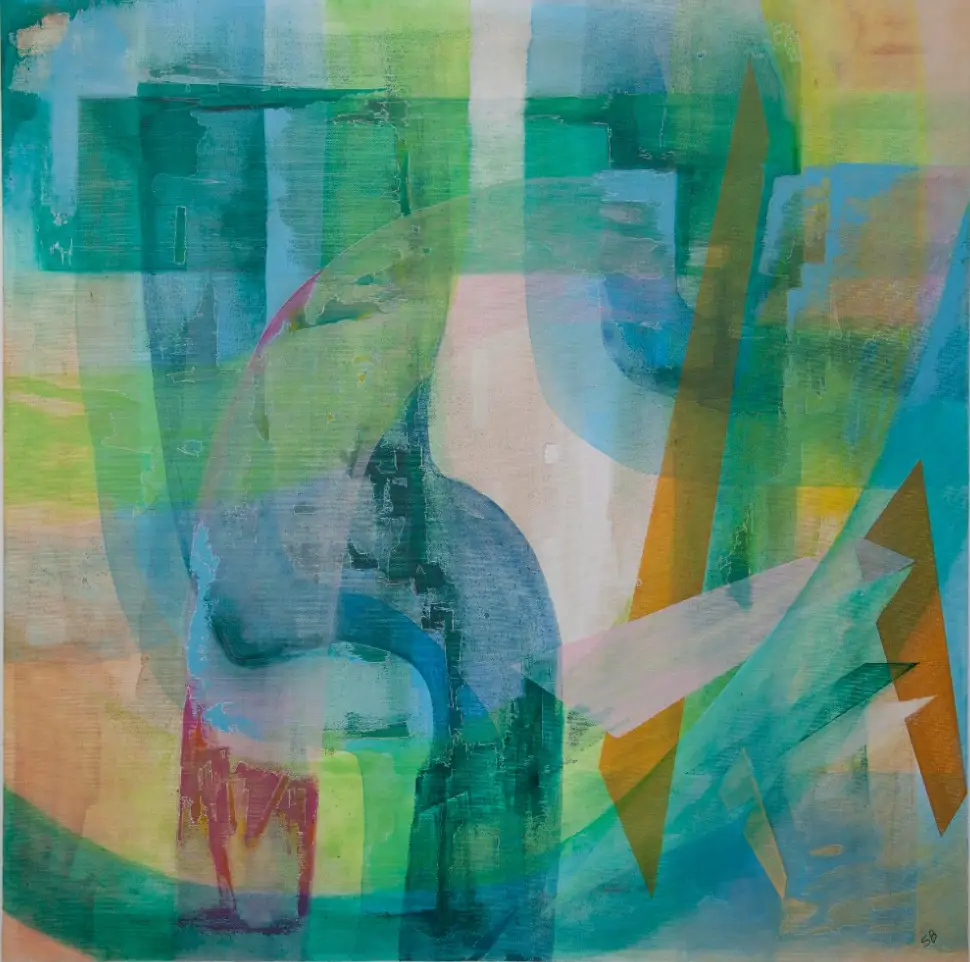
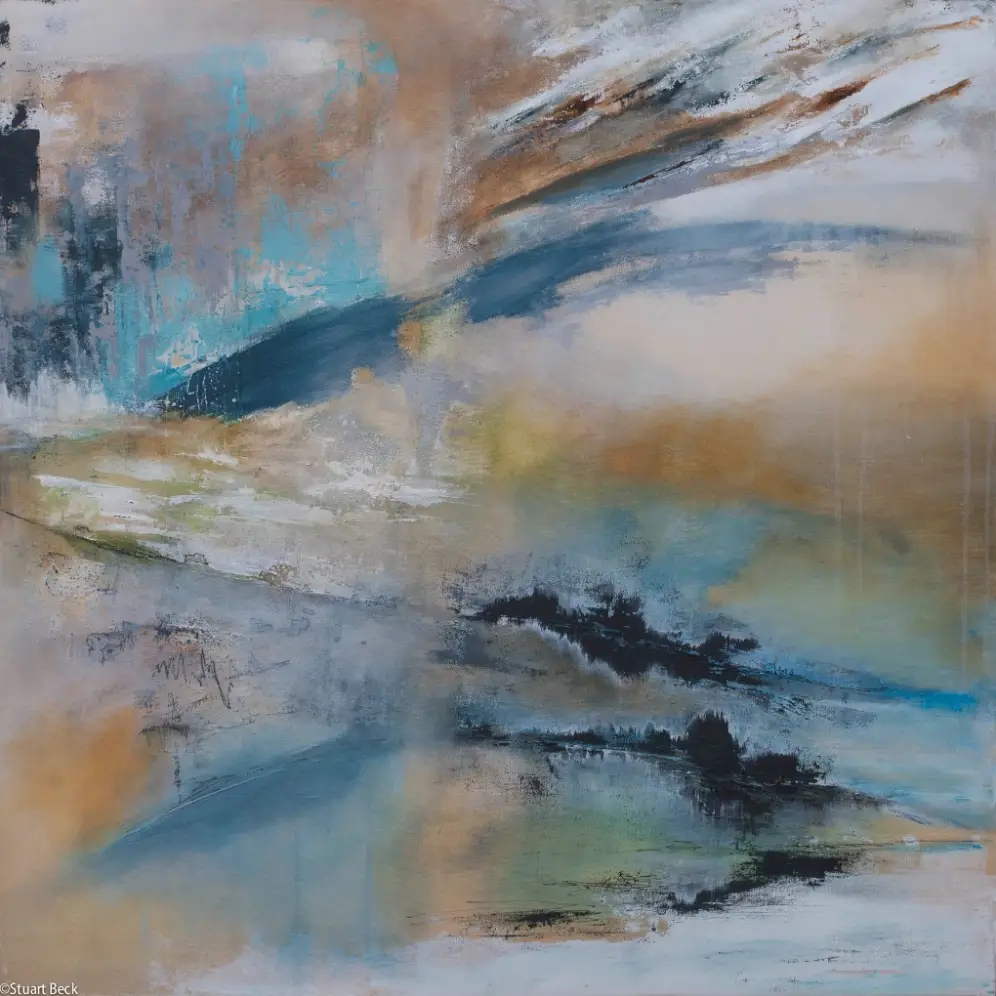
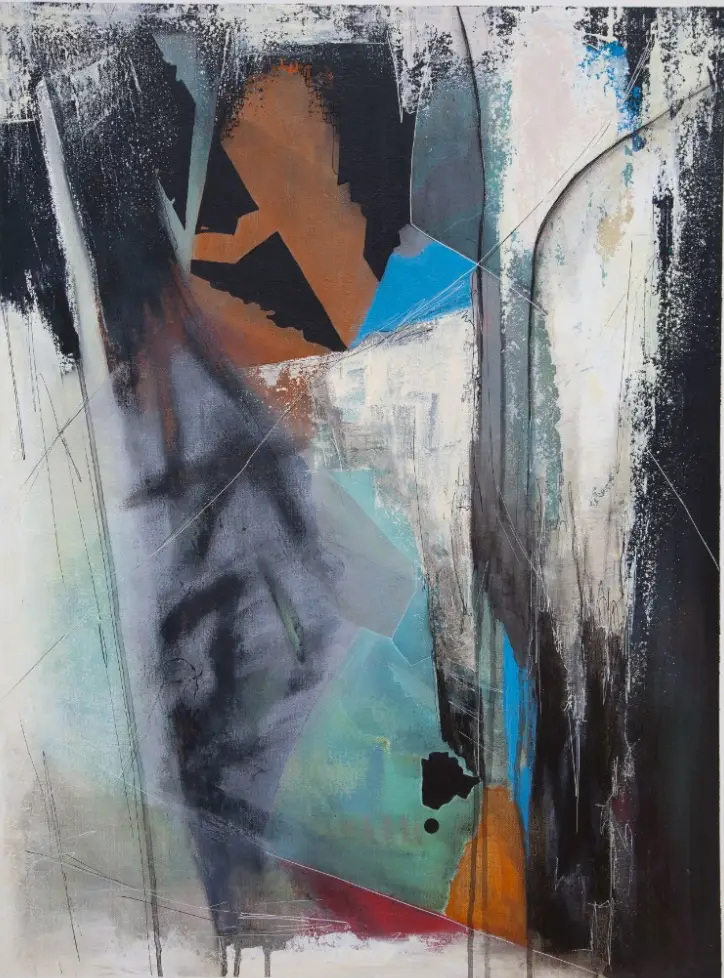
Abstract art has revolutionized the art world, captivating audiences with its bold departure from traditional representation. By emphasizing elements like color, form, and texture over recognizable subjects, abstract art invites viewers to engage in a deeper, more personal visual experience. This comprehensive guide explores the origins and evolution of abstract art, highlights iconic abstract artists, examines key movements, and analyzes its profound influence on contemporary art trends. Whether you’re an art enthusiast or a curious observer, discover how abstract art continues to shape creative expression worldwide.

Historical Evolution of Abstract Art: From Realism to Pure Expression

Abstract art fundamentally breaks away from the literal representation of objects and scenes. Instead, it utilizes shapes, colors, and lines to evoke emotions and ideas. This shift from realism enables artists to delve into the raw potential of visual elements, offering a powerful medium for personal expression and creating a universal language that connects with viewers on multiple levels.

A key principle of abstract art is its focus on the visual experience rather than narrative content. This approach invites viewers to interact with the artwork intuitively, interpreting its meaning through their own perceptions and emotions. The deliberate ambiguity in abstract art fosters diverse responses, making each encounter with a piece a unique and deeply personal experience.

Key Movements in Abstract Art

Abstract art encompasses a variety of movements, each distinguished by its unique philosophies and styles. Among the most impactful is Abstract Expressionism, which emerged in the United States during the 1940s and 1950s. Artists like Jackson Pollock and Mark Rothko revolutionized the art world with techniques such as spontaneous, gestural brushstrokes and vivid color fields, expressing intense emotions and psychological depth.

Cubism, pioneered by Pablo Picasso and Georges Braque, although not fully abstract, laid the groundwork for abstraction by deconstructing and fragmenting forms. This innovative approach challenged traditional perspectives, allowing viewers to experience objects from multiple angles simultaneously, paving the way for modern abstract styles.

In the 1960s, Minimalism emerged as a stark contrast, focusing on simplicity and stripping art down to its core elements. Renowned artists like Donald Judd and Agnes Martin used geometric shapes and monochromatic palettes to emphasize the purity of form and the viewer’s direct interaction with the artwork, minimizing personal expression.

Explore with us​

ANASAEA aims to democratize the art world, Art has no

Borders.

© 2026 All Rights Reserved by ANASAEA