
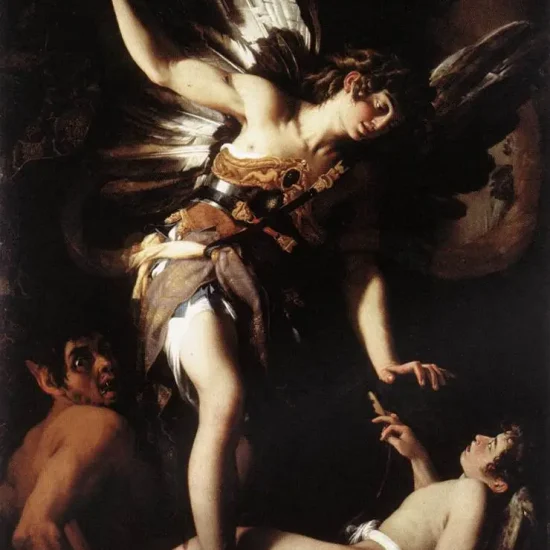
Chiaroscuro is one of those art techniques that feels almost magical when you understand how it works. It’s a method that revolves around the dramatic interplay of light and shadow to create depth, dimension, and often, an intense emotional atmosphere in a piece of art. It’s a style that has been around for centuries and has significantly impacted how we perceive realism and emotion in visual art.
What chiaroscuro means
The term chiaroscuro comes from two Italian words: chiaro (meaning “clear” or “bright”) and scuro (meaning “dark” or “obscure”). Put together, it essentially refers to a contrast between light and dark. Artists use this contrast to give the illusion of three-dimensional forms on a two-dimensional surface. This technique isn’t new; it’s been around since ancient times, with some historians tracing it back to Greek artists like Apollodorus Skiagraphos. While his work hasn’t survived, he was known for developing shadow-drawing techniques that would later influence artists centuries down the line.
The Renaissance Revolution
Though chiaroscuro started earlier, it really came into its own during the Renaissance. Artists like Leonardo da Vinci began to use it extensively to create more realistic and dynamic forms. For instance, da Vinci’s sketches often began on dark-toned paper, where he gradually built up layers of lighter tones using chalk. The results were figures that seemed to pop out of the page as if they were bathed in a soft, natural light. This was groundbreaking at the time and helped push the boundaries of how artists depicted light in their work.
Baroque Drama and Caravaggio’s Impact
During the Baroque period, chiaroscuro evolved into something more dramatic. Artists weren’t just interested in soft, natural lighting anymore; they wanted intensity and emotion. Enter Caravaggio, one of the most famous practitioners of chiaroscuro. His paintings often featured subjects illuminated by a single, harsh light source, with deep shadows enveloping the rest of the scene. This technique heightened the emotional stakes of his work, making it feel almost theatrical. You might look at one of his pieces and feel like the spotlight is literally shining on the action, isolating the subjects from the background.
Caravaggio’s use of chiaroscuro went beyond just adding depth to his figures. It created tension, setting a dramatic mood that would pull viewers into the story being told on the canvas. One of his well-known works, The Calling of Saint Matthew, is a perfect example of this. The painting shows a beam of light slicing through the darkness, highlighting the figures and bringing the moment of divine intervention to life.
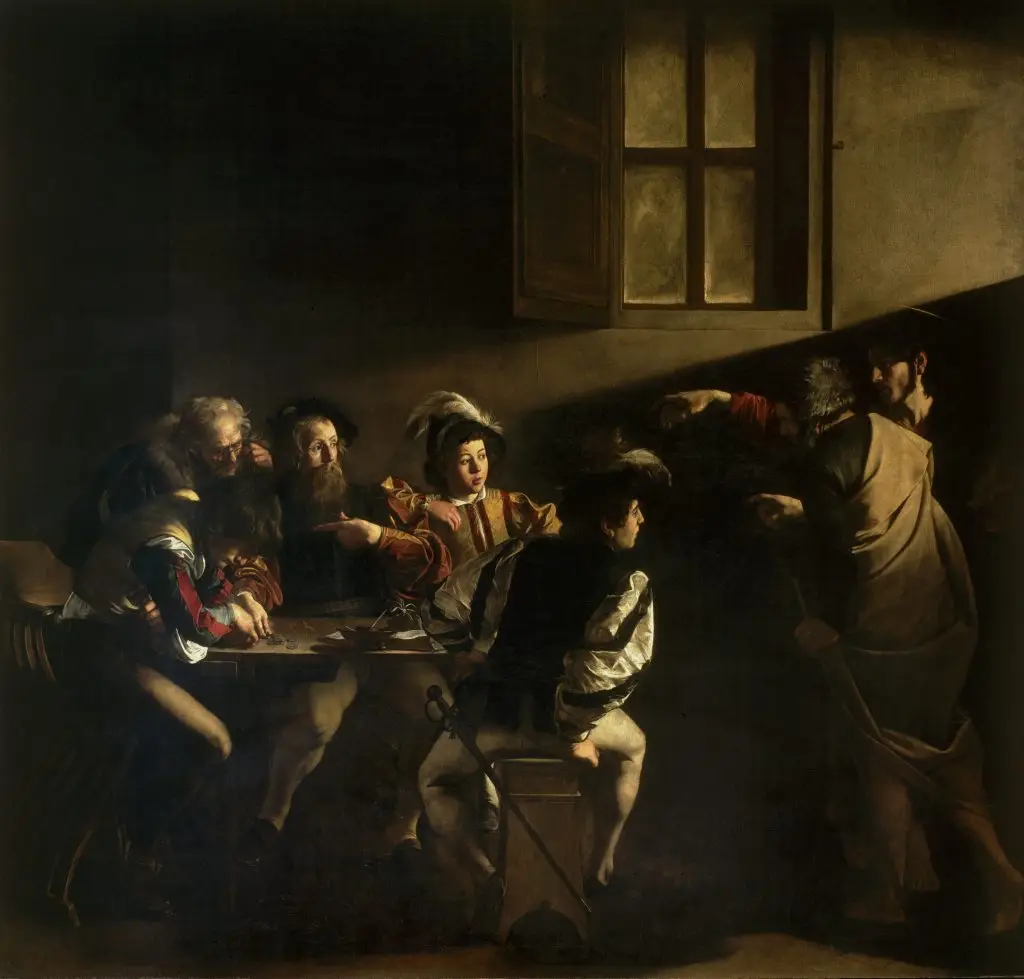
Judith Slaying Holofernes
Source: https://upload.wikimedia.org/wikipedia/commons/4/48/The_Calling_of_Saint_Matthew-Caravaggo_%281599-1600%29.jpg

Chiaroscuro vs. Tenebrism
While discussing chiaroscuro, it’s easy to confuse it with tenebrism, a related but more extreme technique. Where chiaroscuro uses light and shadow to create depth, tenebrism takes it to another level by using intense darkness to isolate subjects even more dramatically. Caravaggio dabbled in both techniques, but tenebrism tends to have even darker backgrounds and is used to create an almost cinematic level of contrast between light and dark. Artemisia Gentileschi is another artist who mastered this intense form of chiaroscuro, as seen in her powerful work Judith Slaying Holofernes.
Other Famous Artists Who Used Chiaroscuro
Chiaroscuro isn’t just limited to the big names like Caravaggio and da Vinci. Other artists like Rembrandt also used this technique extensively. In fact, Rembrandt’s portraits are famous for how they seem to glow from within, thanks to his masterful use of light and shadow. He would often place his subjects in dark environments, illuminating just a portion of their faces or bodies, which added a certain intimacy and depth to his paintings.
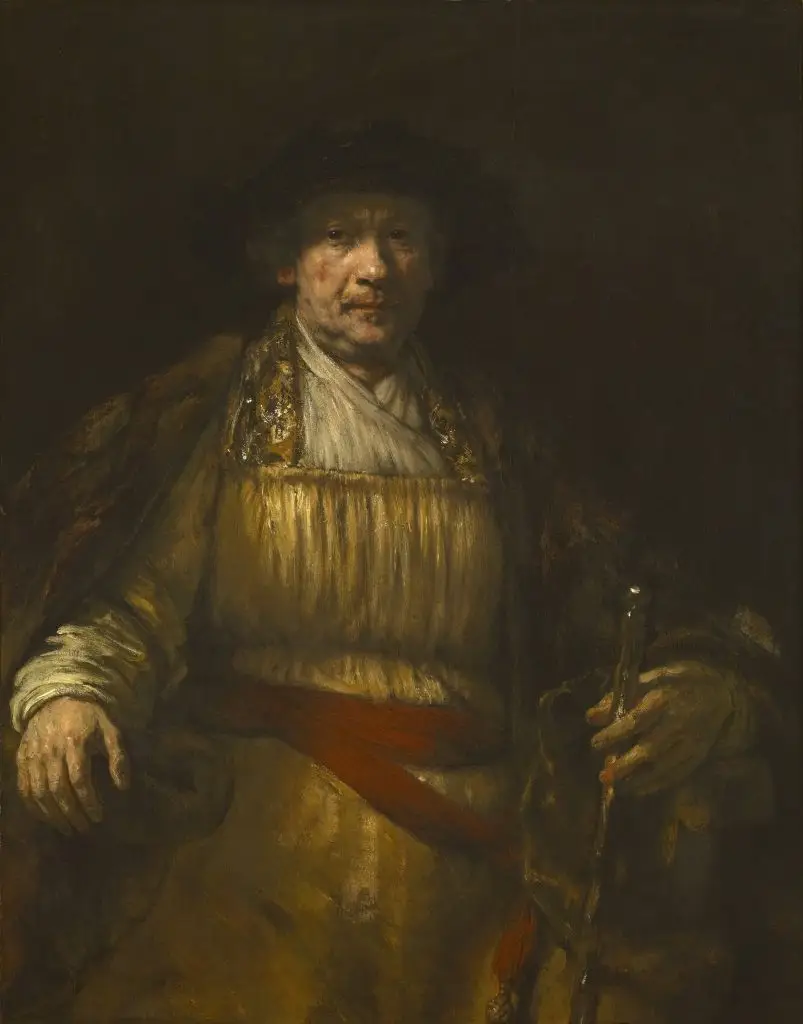
Rembrandt – Self Portrait
Source: https://upload.wikimedia.org/wikipedia/commons/c/c8/Rembrandt_-Zelfportret-_Google_Art_Project.jpg

The Technique Today
Even though chiaroscuro started centuries ago, it’s still influencing artists today. Many contemporary painters and photographers use similar lighting techniques to evoke mood or emphasize certain aspects of their work. You’ll often see chiaroscuro in film, too, especially in genres like noir, where the contrast between light and shadow plays a key role in setting the tone. Directors use lighting in a way that’s not all that different from how da Vinci and Caravaggio approached their canvases.
Why It Matters
What makes chiaroscuro so important is its ability to make art feel more real and more emotional. By controlling how light interacts with a subject, artists can guide your eye, making you focus on what they think is important. The depth created by light and shadow doesn’t just add realism—it adds a psychological layer, pulling you into the world of the painting or photograph. It’s a simple concept, but in the right hands, it can turn a flat image into something that feels alive.
In essence, chiaroscuro is one of those foundational techniques that, once you know about it, you start seeing everywhere. Whether it’s in the soft glow of a Rembrandt portrait or the sharp contrasts of a Caravaggio scene, the play of light and dark is something that will always captivate viewers. It’s a testament to the power of visual contrast, proving that sometimes, less is more—especially when it comes to lighting.
By understanding chiaroscuro, you get a deeper appreciation of how artists throughout history have manipulated light to create not just form, but feeling. Whether you’re looking at a Renaissance sketch or a Baroque masterpiece, the next time you see that beautiful interplay of light and shadow, you’ll know there’s more going on than just a pretty picture. It’s an ancient technique that continues to shape the way we experience art.
Featured image: Giovanni Baglione, Divine Love Conquering Earthly Love – https://upload.wikimedia.org/wikipedia/commons/9/9d/Baglione.jpg
