
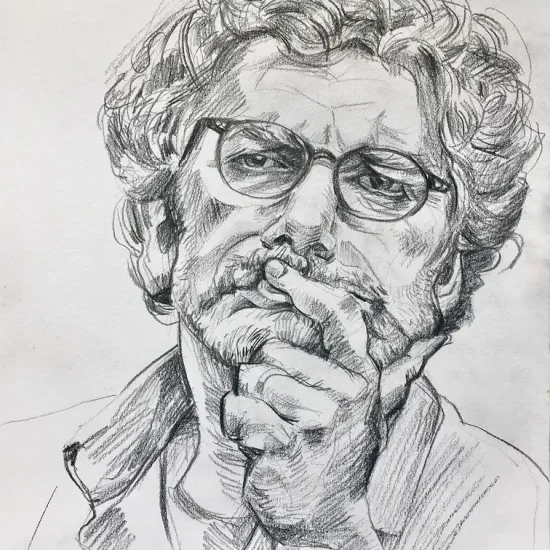
Portraits are one of the most enduring forms of art. They’ve been around for millennia, offering glimpses into different eras, cultures, and personalities. Whether it’s a painting of a pharaoh, a Roman bust, or a selfie on your phone today, portraits remain powerful tools for capturing likeness, identity, and emotion. Let’s take a closer look at how portraits evolved over time, and why they still hold such a strong presence in art.
Early Portraits
Portrait art has roots as deep as ancient Egypt, Greece, and Rome, where sculptures of rulers and gods were common. These weren’t just decorative pieces but statements of power and reverence. For example, in ancient Egypt, the pharaohs were often depicted in statues and wall carvings as part of larger religious or political narratives. These portraits were designed to last through the ages, much like the grand pyramids they were associated with.
Similarly, Roman and Greek portrait art often centered around marble busts of emperors, military leaders, or mythological figures. These sculptures captured more than just physical features. They were meant to reflect the character, strength, and sometimes divine favor of their subjects. Over time, this type of public portraiture helped solidify the importance of individual figures in history.
Portraits in the Middle Ages – Shifting Toward Sacredness
When the Roman Empire fell, much of the focus of portrait art shifted to religious themes. During the Middle Ages, particularly in Europe, portraits often depicted religious figures such as saints, angels, and Christ. This era saw artists working under the influence of the Christian Church, which had a strong hold on art patronage.
Instead of creating realistic portrayals of people, many portraits from this time period were more symbolic. They featured stylized figures with flattened perspectives and often served as icons for worship rather than personal or realistic depictions of individuals. Artists used bright colors, gold leaf, and a more abstract style to emphasize the divine nature of their subjects.
The Renaissance
The Renaissance brought about a renewed interest in the individual, fueled by the rise of humanism. Artists started to focus on more realistic depictions of people, including detailed facial features, clothing, and surroundings. This was a big shift from the more symbolic and abstract portraits of the Middle Ages.
One of the most famous portraits of this era is Leonardo da Vinci’s Mona Lisa, which set new standards for portrait art. Its three-quarter pose and the subject’s enigmatic expression broke away from traditional, stiff postures, giving the painting a sense of life and personality. This period also saw the emergence of self-portraits, where artists explored their own likenesses, showing their growing interest in individual identity and personal expression.
The Baroque Period and Beyond
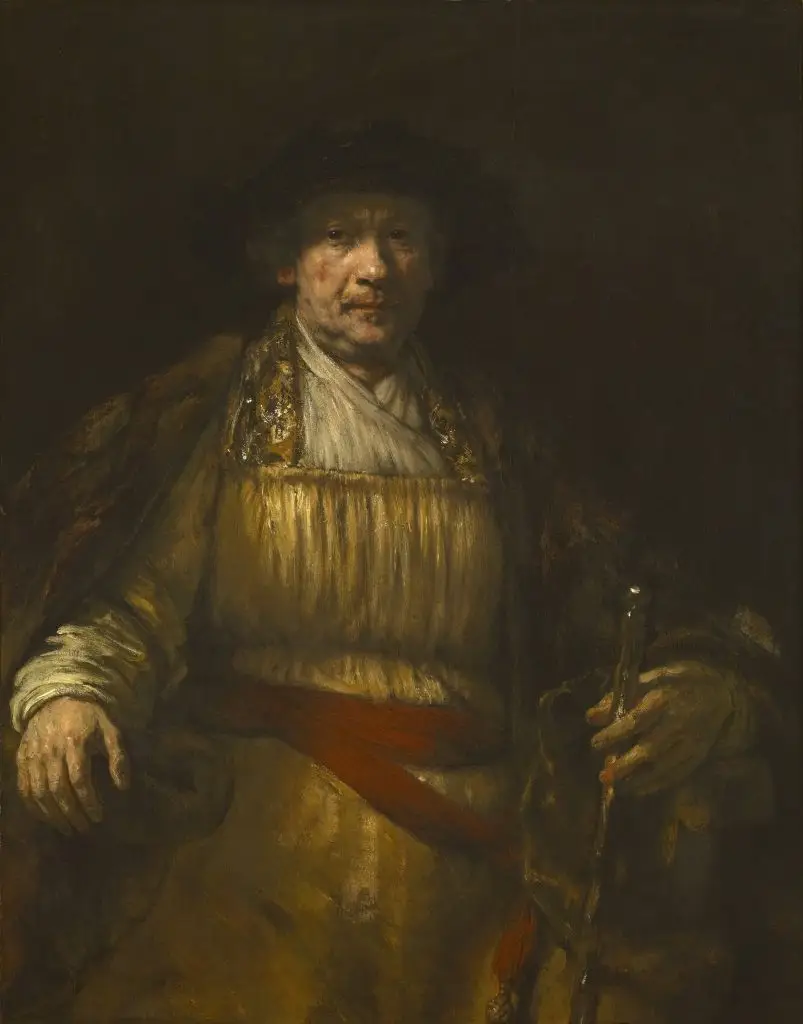
Moving into the Baroque period, portrait art took on a more dramatic and emotional tone. Artists like Rembrandt and Caravaggio played with light and shadow (a technique known as chiaroscuro) to create intense, almost theatrical portraits. These works didn’t just show what a person looked like—they conveyed emotions and stories.
Source: https://upload.wikimedia.org/wikipedia/commons/c/c8/Rembrandt_-Zelfportret-_Google_Art_Project.jpg
Rembrandt, in particular, was a master of self-portraiture, creating dozens of works that captured his changing appearance over the decades. His use of light and texture brought a sense of depth and introspection to his subjects, making his portraits more than just visual records.
Modern Portraits
The 19th and 20th centuries brought about a huge shift in the world of portrait art. With the invention of photography in the 19th century, artists no longer had to rely solely on painting or sculpture to capture likenesses. Photography made portraits more accessible to a wider audience and gave people a new way to document their lives.
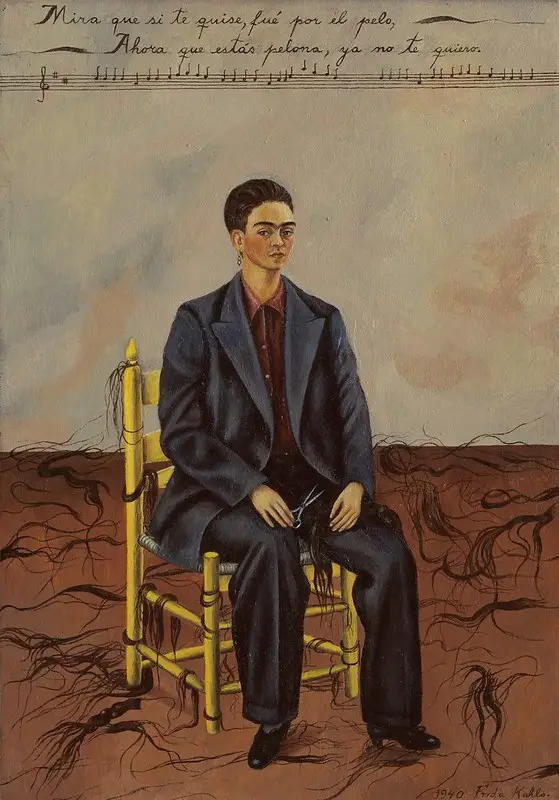
At the same time, modern artists like Picasso, Van Gogh, and Frida Kahlo began experimenting with portraits in new ways. They broke away from traditional ideas of realism, using bold colors, abstract shapes, and distorted features to convey deeper emotional or psychological truths. Van Gogh’s self-portraits, for example, are instantly recognizable for their swirling brushstrokes and vivid colors, which reflect the artist’s emotional state as much as his physical appearance.
Source: https://flic.kr/p/24rm7VZ
In the 20th century, movements like Cubism and Expressionism challenged traditional portraiture even further. Picasso’s portraits, for instance, fragmented and reassembled faces in ways that were meant to question our perceptions of identity and reality. Similarly, the works of artists like Egon Schiele and Francis Bacon explored raw, unsettling aspects of the human experience.
The Digital Age – Portraits for Everyone
Today, the portrait has taken on new forms, thanks to technology. With the rise of smartphones and social media, anyone can create and share a portrait in seconds. Selfies have become a new kind of self-portrait, allowing people to document and present themselves in real-time. While these images may seem a far cry from the marble busts of ancient Rome or the oil paintings of the Renaissance, they still serve the same essential purpose: capturing and sharing an image of ourselves.
In contemporary art, portraits remain a powerful tool for exploring identity. Some artists continue to push the boundaries, using digital media, video, and even artificial intelligence to create portraits that reflect the complexities of modern life.
Conclusion
Throughout history, portraits have been more than just visual representations. They reflect the social, cultural, and political climates of their times, capturing not just what people look like, but who they are—or who they’re meant to be. Whether in the form of a Renaissance painting, a black-and-white photograph, or a filtered selfie, portraits continue to fascinate us because they provide a window into human identity. As long as we remain curious about ourselves and each other, portraits will always have a place in the world of art.