
Introduction to LACMA
The Los Angeles County Museum of Art, or LACMA, is one of the largest art museums in the United States, with a focus on global art, both past and present. Founded in 1965, LACMA sits in the heart of Los Angeles on Wilshire Boulevard, a location that itself symbolizes the fusion of history, culture, and modernity in the city. Over the years, the museum has expanded, adding more buildings and galleries, and it’s known for its vast collections, diverse exhibitions, and a striking mix of architecture that’s been enhanced by collaborations with renowned architects like Renzo Piano and Peter Zumthor.
A Blend of Art Across Time and Place
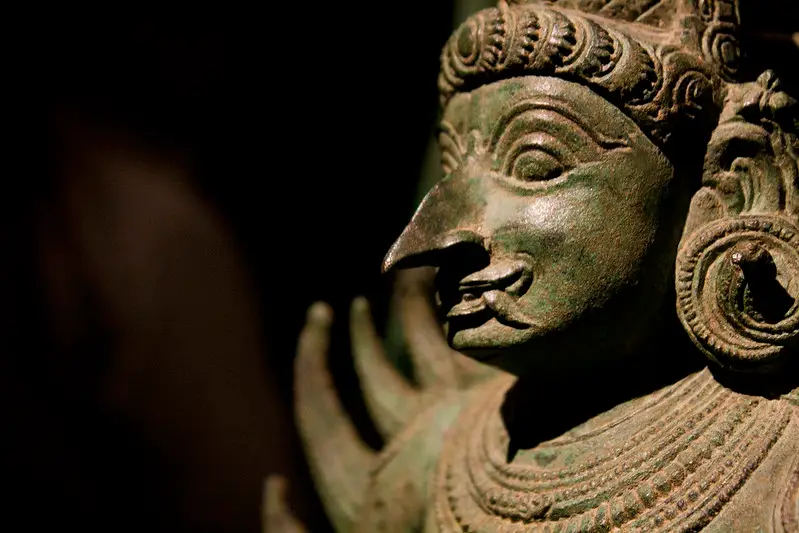
LACMA’s collection is impressive not just because of its size, but also for its range. Visitors can explore works that span centuries and continents—from ancient artifacts to contemporary pieces. Some of its key areas include African, Asian, European, and Latin American art, with collections that spotlight everything from ancient Egyptian sculpture to German Expressionism. The museum’s dedication to showcasing global diversity is clear. You’ll find everything from Islamic art and Japanese prints to American art, both pre-and post-colonial. It’s this variety that makes LACMA an ideal place for anyone curious about how art has evolved across cultures and historical periods.
Source: Fido, LACMA, Attribution (CC BY 2.0, )https://flic.kr/p/bEKAVX
Architectural Landmarks and Renovations
One of LACMA’s defining characteristics is its evolving architecture. Originally, the museum’s main buildings followed a mid-20th-century modernist style. But in the 1980s and 90s, expansions led by various architects added a mix of contemporary elements. The Resnick Pavilion and the Broad Contemporary Art Museum, both designed by Renzo Piano, reflect a modern, minimalist approach, with wide-open spaces that allow art to take center stage. And while these spaces are iconic in their own right, LACMA has consistently sought to upgrade its facilities. Current renovations led by Swiss architect Peter Zumthor are expected to reshape the museum’s layout, making it more accessible and visually striking.
Notable Installations at LACMA
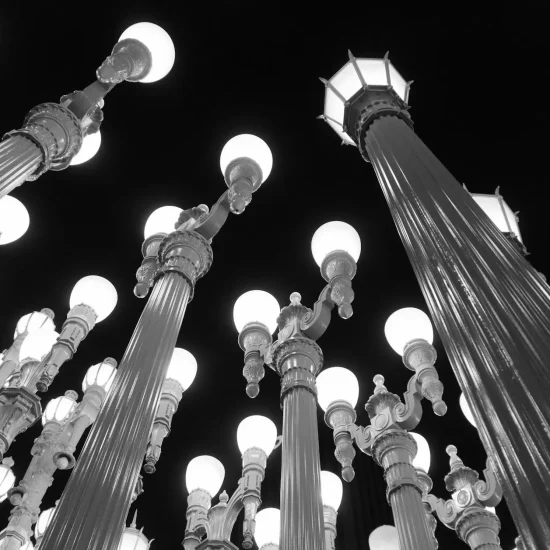
Perhaps LACMA’s most famous artwork isn’t inside a gallery at all—it’s right outside. Chris Burden’s “Urban Light” (see featured image) is a sculpture composed of over 200 restored street lamps from the 1920s and 1930s, arranged in a grid that invites visitors to walk among them. Since its installation in 2008, “Urban Light” has become an icon, capturing the imagination of locals and tourists alike. It’s frequently featured in movies, TV shows, and social media photos, especially at night when the lamps are lit. This public art piece is more than a display; it’s a social space where people gather, explore, and take in the ambiance of Los Angeles itself. Just beyond “Urban Light,” visitors can also see Michael Heizer’s “Levitated Mass,” a 340-ton boulder suspended over a concrete trench, adding another dramatic element to the outdoor art experience.
A Museum for the Community
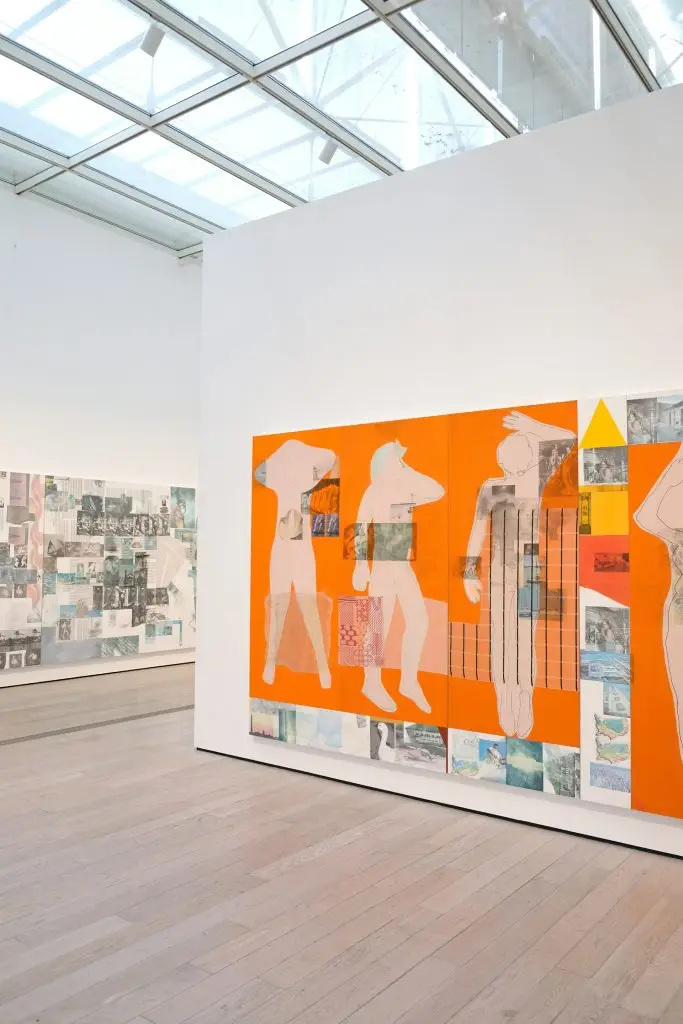
LACMA isn’t just about preserving art; it’s about making art accessible. The museum hosts a variety of community-focused programs, including free days, youth education, and family-friendly events. In collaboration with local schools, LACMA offers educational workshops and tours to engage young audiences with art from a young age. These programs reflect LACMA’s commitment to making art relevant and enjoyable for everyone, not just seasoned art lovers. Additionally, LACMA offers memberships that provide year-round access to exhibitions and exclusive events, creating a strong base of local supporters.
Source: https://unsplash.com/photos/inside-white-building-with-multicolored-paintings-v9-ZW3VONcw
Future Prospects and Ongoing Renovations
With the Zumthor redesign underway, LACMA’s future promises to be just as dynamic as its past. This new phase will bring sweeping changes, including a transformation of the gallery layout to encourage a more fluid, accessible experience. The redesigned museum is expected to open new possibilities for showcasing art and holding events. This expansion will not only refresh LACMA’s look but also deepen its role as a cultural hub for the city and beyond.
In the ever-changing landscape of Los Angeles, LACMA remains a constant, offering a place where visitors can engage with history, culture, and creativity all in one place. Whether you’re there to explore its vast collections, see the latest exhibition, or just take a stroll through “Urban Light,” LACMA offers something for everyone. As it continues to evolve, the museum stands ready to inspire new generations of art lovers with its commitment to diversity, accessibility, and innovation.