
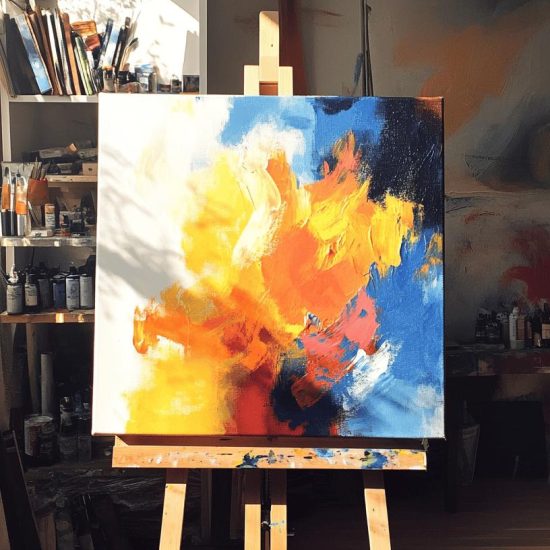
Can art exist without a recognizable subject or form? Abstract art answers this question by breaking free from traditional representation, inviting viewers to explore emotion, interpretation, and personal engagement. Rooted in early 20th-century movements like Cubism, Fauvism, and Expressionism, abstract art challenged artistic norms and redefined visual expression. This guide explores its evolution, key movements, and the influential artists who have shaped this thought-provoking art form.
The Origins and Evolution of Abstract Art
Emerging in the early 20th century, abstract art marked a radical shift from representational art. Instead of depicting physical reality, artists focused on conveying emotions, ideas, and abstract concepts. This movement encouraged viewers to engage with art on a deeper, more personal level.
Several major movements laid the foundation for abstract art:
- Cubism (early 1900s) – Introduced geometric abstraction and multiple perspectives.
- Fauvism (c. 1905) – Emphasized bold colors and emotional expression.
- Expressionism (1910s) – Explored the subconscious and emotional depth.
- Early Abstraction (1910s) – Artists moved further from literal representation.
- First Abstract Art Exhibitions (early 20th century) – Brought non-representational art to public attention.
These movements redefined artistic expression, paving the way for the diverse forms of abstract art we see today.
Key Movements in Abstract Art

Abstract art has evolved through various movements, each contributing distinct philosophies and techniques.
Cubism
Led by Pablo Picasso and Georges Braque, Cubism deconstructed objects into geometric forms and presented multiple perspectives at once. This revolutionary approach reshaped how artists and audiences perceived visual composition.
Abstract Expressionism
Emerging in post-war America, Abstract Expressionism emphasized raw emotion and spontaneity. Artists like Jackson Pollock and Willem de Kooning used bold brushstrokes and unconventional techniques to explore the subconscious and personal expression.
German Expressionism, Fauvism, and Orphism
- German Expressionism – Focused on emotional intensity and distorted forms.
- Fauvism – Prioritized vivid colors to express feeling over detail.
- Orphism – Developed by Robert Delaunay, explored pure abstraction through rhythmic compositions and vibrant colors.
These movements collectively expanded the boundaries of abstraction, influencing contemporary art practices.
Influential Abstract Artists and Their Contributions
Several artists played a crucial role in shaping abstract art. Their innovations continue to inspire modern artists.
| Artist | Contribution |
| Wassily Kandinsky | Pioneered spiritual abstraction using color and form to evoke emotions. |
| Piet Mondrian | Developed Neoplasticism, emphasizing geometric harmony and primary colors. |
| Kazimir Malevich | Introduced Suprematism, focusing on geometric forms and artistic purity. |
| Jackson Pollock | Revolutionized Abstract Expressionism with his dynamic drip painting technique. |
These artists broke new ground in artistic expression, leaving a lasting impact on the world of abstract art.
Techniques and Styles in Abstract Art

Abstract artists use various techniques to create visually striking and emotionally powerful works:
- Color Gradients – Smooth transitions between colors add depth and movement.
- Aggressive Brushstrokes – Express emotion and energy.
- Vivid Colors – Used to evoke strong emotional responses.
- Music-Inspired Compositions – Artists translate rhythm and harmony into visual forms.
- Layering Techniques – Adds texture and complexity to the artwork.
By experimenting with these methods, artists push the boundaries of creativity and perception.
How to Appreciate and Interpret Abstract Art
Understanding abstract art requires an open mind and a willingness to engage beyond the literal. Instead of searching for a specific meaning, allow the artwork to evoke thoughts and emotions.
Tips for interpreting abstract art:
- Approach it with curiosity, not expectation.
- Focus on your emotional response rather than trying to “figure it out.”
- Use imagination to explore possible meanings.
- Reflect on how the colors, forms, and textures affect you.
- Discuss the artwork with others to gain new perspectives.
Abstract art is deeply personal—each viewer’s interpretation is unique and valid.
The Role of Abstract Art in Contemporary Culture

Abstract art remains a dominant force in modern culture, frequently showcased in galleries, art fairs, and auctions worldwide. It continues to challenge perceptions, encouraging audiences to rethink artistic expression.
Beyond the art world, abstraction influences design, fashion, architecture, and digital media. Its emphasis on emotion and interpretation fosters creativity across disciplines. As a result, abstract art is not just a historical movement—it’s an evolving force that continues to shape contemporary aesthetics.
Final Thoughts
Abstract art transforms how we perceive creativity, breaking from tradition to explore emotions, concepts, and non-representational forms. From early pioneers like Kandinsky and Pollock to modern innovators, abstraction continues to inspire and provoke thought.
For artists and enthusiasts alike, understanding abstract art deepens appreciation for its complexities and invites new ways of seeing the world. Whether through bold colors, dynamic forms, or layered textures, abstract art remains a powerful and ever-evolving form of expression.
FAQ
What is the difference between abstract art and nonrepresentational art?
Abstract art is a broad genre that distills the essence of an object while retaining some visible reference, whereas nonrepresentational art entirely forgoes any identifiable subject, focusing purely on form and color.
What are the 5 main characteristics of abstract art?
Abstract art is characterized by its use of shapes, colours, and forms to convey meaning. It emphasizes emotional expression, nonfigurative aesthetics, subjective interpretations, and often employs dynamic compositions and innovative techniques.
Why is abstract art considered art?
Abstract art is considered art because it challenges traditional norms by prioritising emotion, form, and the artist’s subjective vision over realistic representation, offering diverse interpretative possibilities that engage viewers conceptually and emotionally.
Why is abstract painting hard to understand?
Abstract painting can be hard to understand as it prioritises subjective interpretation and emotional resonance over representational accuracy, requiring viewers to engage with ambiguity and perceive art beyond literal visuals.
What are the rules for abstract art?
While abstract art generally lacks strict rules, it often follows principles of composition, colour theory, and balance. Artists use techniques to evoke emotion and encourage subjective interpretation, allowing flexibility within intentional design.