Introduction: Art Mediums
Art mediums are essentially the tools and materials that artists use to bring their ideas to life. From the basics like pencils and brushes to more unusual items like recycled objects and digital platforms, the choice of medium can deeply impact how a piece of art feels and even how we understand it.
Source: https://unsplash.com/photos/a-woman-standing-in-front-of-a-store-Yhsdub0hV1A
Let’s dive into some popular art mediums, breaking down what they bring to the table and why artists choose them to express their unique visions.
Drawing
Drawing is one of the most accessible art forms, and many artists consider it foundational. With materials like graphite, charcoal, and ink, drawing offers a straightforward way to explore lines, shapes, and shading. Graphite, in particular, provides a lot of flexibility; it can create delicate, fine lines or deep, rich shades depending on the pressure applied. Charcoal, on the other hand, produces bold, dark lines that give a drawing a dramatic look, while ink allows for striking contrast and precision. Drawing mediums are also ideal for sketching ideas that might evolve into more complex art forms like painting or sculpture.
Painting
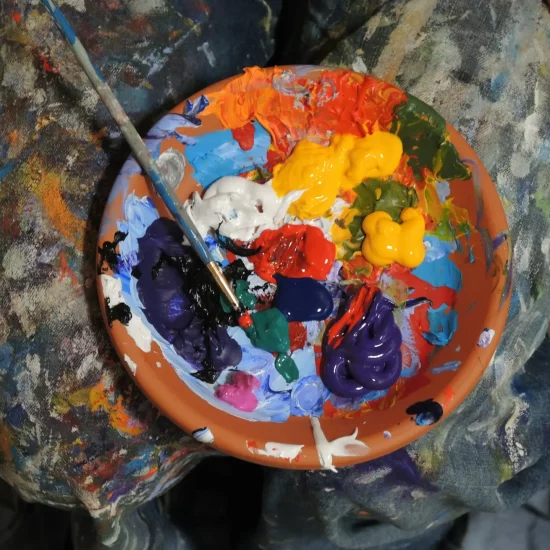
Painting is a classic medium that uses pigment on a surface like canvas or paper, with options ranging from oil and acrylic to watercolor and gouache. Each paint type has its own character. Oil paints, for example, dry slowly, allowing for more time to blend colors and build layers. That’s why they’re popular in portrait and landscape painting, where subtle color variations can make all the difference. Acrylics, in contrast, dry fast and are water-resistant, which makes them a favorite for artists who like to work quickly or experiment with different textures. Watercolors, with their transparent and soft quality, create a lighter, often ethereal effect. The versatility of painting mediums allows artists to capture everything from fine details to sweeping color fields.
Sculpture
Sculpture introduces a tactile element to art mediums. By carving, molding, or assembling materials like clay, metal, and stone, sculptors create three-dimensional forms that can be experienced from multiple angles. Stone carving, a traditional form, produces statues and monuments with a sense of permanence and history. Metal and wood offer more flexibility, allowing artists to bend and shape materials in intricate or industrial ways. Contemporary sculptors might also incorporate found objects, giving discarded items new life. These choices of medium can influence how a viewer physically interacts with and feels about a piece.
Printmaking
Printmaking offers a unique approach to producing multiple copies of the same artwork, which distinguishes it from other art mediums. Techniques like etching, lithography, and screen printing each add specific qualities to a print. In etching, artists carve into a metal plate that’s then inked and pressed onto paper. This process creates rich textures and lines, making each print subtly unique. Lithography uses a flat surface to transfer an image and is valued for capturing fine detail, while screen printing, often associated with pop art, uses stencils to create bold, colorful images. Printmaking has long been a way to make art more accessible, enabling a single image to reach many people without losing its original impact.
Digital Art
With the rise of technology, digital art has become one of the most dynamic art mediums today. Using tools like graphic tablets, software, and even VR setups, digital artists have a huge range of creative possibilities. Programs like Adobe Photoshop and Procreate allow artists to manipulate colors, shapes, and textures in ways that would be difficult, if not impossible, with traditional materials. Digital art also enables easy revisions, so artists can experiment more freely. And because digital files are easy to share, digital art is ideal for artists aiming to reach a global audience through social media or online galleries.
Photography
Photography, though initially a way to capture moments as they are, has evolved into an art form with endless creative potential. Traditional film photography uses chemical reactions on light-sensitive materials to develop images, adding a certain depth and richness to the photos. In digital photography, editing software lets artists adjust colors, textures, and compositions, turning a simple snapshot into an art piece. Photographers can use their cameras to capture reality, tell stories, or even distort and manipulate images in abstract ways, making photography one of the most versatile art mediums.
Mixed and Experimental Art Mediums
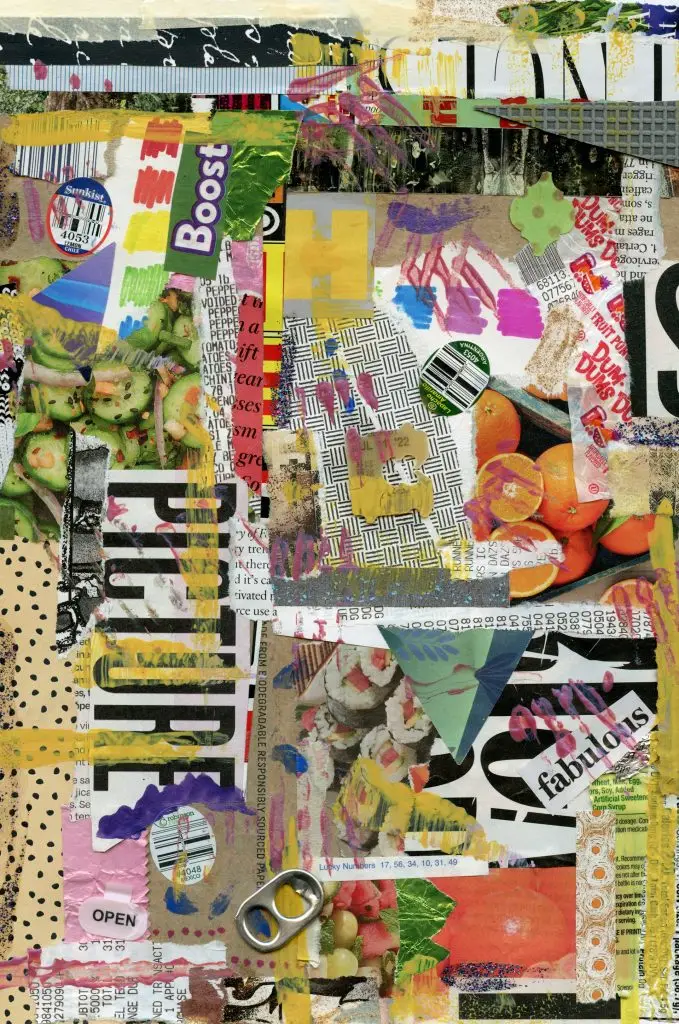
Some artists prefer to work with mixed media, blending different art mediums in one piece. Mixed media can involve combining paint with collage elements, layering photography with drawing, or using unconventional materials like fabric, glass, or recycled items. This approach lets artists push the boundaries of what’s possible, often creating art that’s as much about texture and physicality as it is about image. Mixed media also opens up endless possibilities for experimentation, as artists play with contrasting elements to make unexpected statements.
Source: https://unsplash.com/photos/a-collage-of-different-types-of-papers-Jvg271bnivI
Why Do Art Mediums Matter?
The medium an artist chooses isn’t just a technical decision—it’s part of how they express themselves and what they want the viewer to feel. A charcoal sketch might convey something raw and immediate, while an oil painting could feel more refined and timeless. Digital art can reflect the modern world, and sculpture invites viewers to physically move around and engage with it. Each medium has its own strengths and limitations, and part of an artist’s skill lies in knowing which one will best bring their vision to life.
Art mediums are more than just materials—they shape the entire experience of a piece. They set the tone, create texture, and sometimes even influence the way we interpret the work. From traditional tools like graphite and paint to modern options like digital software, the choice of medium is at the heart of what makes each piece unique. So, whether you’re an artist or an art lover, understanding art mediums can add a whole new layer to your appreciation of the creative process.