What’s Crowdsourced Art?
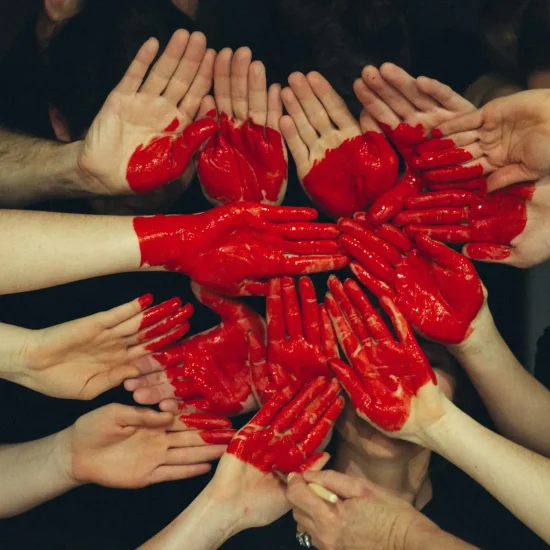
At its core, crowdsourced art is a team effort where anyone can pitch in, bringing their creativity into a shared project. It’s the art equivalent of a group playlist, where every contribution helps shape the final product. This collaborative approach isn’t about one artist’s vision; it’s about gathering ideas, perspectives, and styles from various people, often online. The result is usually a piece of art that’s dynamic, layered, and sometimes a bit unpredictable.
Today, crowdsourced art can take on just about any form—visual art, music, stories, you name it. With social media and specialized platforms for crowdsourcing, anyone with an internet connection can get involved. And it’s not just about casual projects; some serious artistic initiatives use crowdsourcing to explore concepts that one artist might not reach alone.
The Power of a Crowd
For artists and project creators, the big draw here is diversity. When thousands of people share their ideas, you get a richness that a single perspective can’t always capture. Each person brings their background, style, and even a bit of their personality to the table, making the end result feel much more inclusive and human.
One well-known example is The Johnny Cash Project. It invited fans to contribute individual drawings, each representing a frame of a music video for one of Cash’s songs. The result was a moving, animated tribute, with each frame holding a unique touch. This is what crowdsourced art does best—it turns a personal experience into something collective, giving fans a way to engage with art on a personal level.
Where It All Started
Crowdsourced art might sound new, but the idea of shared art projects has deep roots. Community murals and public statues are some classic examples. But it wasn’t until the digital era that things really took off. The internet makes it easy for creators to gather input from thousands of people at once, and with social media, they can do it in real-time. Platforms like HitRecord, Reddit, and even Twitter and Instagram are packed with artists looking for collaborators.
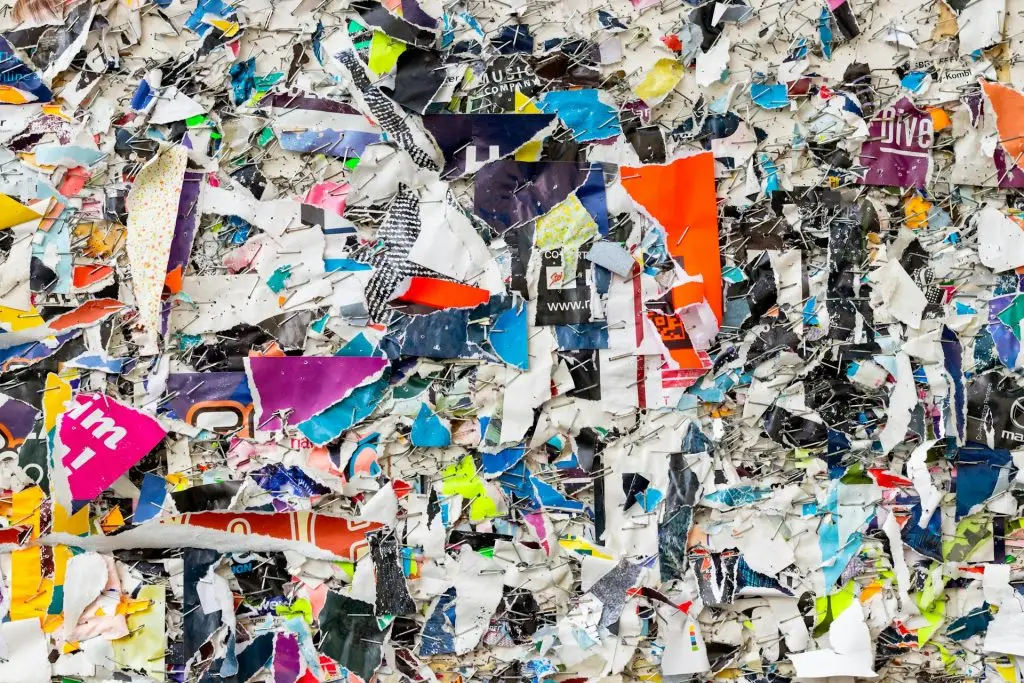
Source: https://unsplash.com/photos/red-blue-and-white-abstract-painting-LYDQWASezog
How Crowdsourced Art Works
In most crowdsourced art projects, a central idea or theme is what kicks things off. The project creator will usually post a prompt or guidelines, inviting others to contribute their take on it. This can be anything from sharing a photo, recording a short video, or submitting a line of text. Once the submissions are in, they’re often pieced together to create something cohesive or sometimes left in their raw form to celebrate their differences.
Take the Sheep Market, for example. This project collected 10,000 tiny drawings of sheep submitted by people online. Each submission was unique—some playful, others abstract. When combined, these drawings created an unusual art piece, highlighting the range of imagination in something as simple as a sheep doodle.
Why People Love It
Crowdsourced art is accessible. You don’t need to be a pro to contribute. Sometimes it’s enough to just have a new idea or an interesting perspective. For a lot of contributors, there’s something special about seeing their small addition woven into a larger piece. This approach to art makes the process more inclusive, giving people a way to express themselves without needing to take center stage.
There’s also a democratic side to it. Unlike traditional art, where credit usually goes to one artist, crowdsourced projects celebrate the crowd itself. It’s less about who did what and more about what everyone made together.
The Messy Side of Crowdsourced Art
As cool as crowdsourced art is, it’s not always smooth sailing. With so many voices in the mix, managing a project can get chaotic. Questions about ownership pop up all the time—who’s really the “author” of a piece created by hundreds or thousands of people? And when it’s time to share the work, not everyone will agree on what the final product should look like. Some artists might feel like their voices got lost in the crowd, while others might worry that their work will be underappreciated or misrepresented.
Another tricky part is that, in larger projects, contributors are often unpaid and uncredited. For many, the thrill of being involved is enough, but it’s worth noting that this aspect of crowdsourcing raises questions about the value placed on individual contributions in a collective effort.
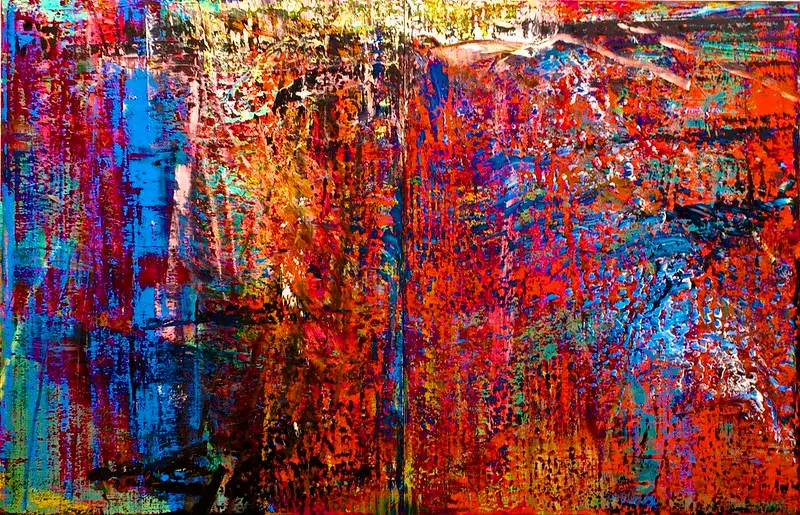
Source: Pedro Ribeiro Simões, Abstraktes Bild (Nº 635) (1987) – Gerhard Richter (1932), Attribution (CC BY 2.0), https://flic.kr/p/Curwec
The Future of Creating Together
Looking ahead, crowdsourced art seems set to stay. It’s adaptable, and as more online platforms and tools pop up, more people can get involved in the creative process. There’s even talk about using AI to help organize submissions or suggest edits, making it easier to handle massive amounts of contributions without losing the essence of each one.
Crowdsourced art will probably never replace traditional art, but it’s carving out a space all its own. It makes creativity accessible, and it connects people from all over the world in a way that few other things can. Whether it’s a digital mural made by thousands of anonymous doodlers or a single song created from thousands of clips, crowdsourced art shows us what can happen when everyone gets a chance to make something together.