
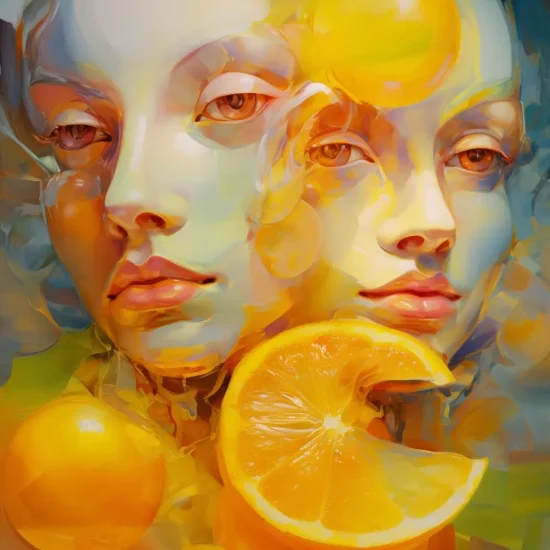
Hyperrealism isn’t just a style—it’s a bold statement that challenges the very boundaries of perception. Emerging in the late 20th century, this artistic movement takes realism to extraordinary heights. With meticulous attention to detail, hyperrealist artists create works so lifelike they’re often mistaken for photographs. But how do they achieve this level of precision, and why does it resonate so strongly with modern audiences?
The Origins of Hyperrealism
Hyperrealism finds its roots in the Photorealism movement of the 1960s and 70s. Artists like Chuck Close and Audrey Flack spearheaded this earlier wave, painting from photographic references to replicate reality. However, hyperrealism pushes further, adding emotional depth and narrative elements that transcend mere imitation.
Unlike traditional realism, hyperrealism incorporates storytelling, often portraying scenes that evoke a sense of surreal clarity. This blend of technical skill and artistic intent sets it apart as a distinct genre that continues to evolve.
Pro Tip: When exploring hyperrealist works, take your time. Notice the play of light, shadow, and texture—elements that bring the artwork to life. Focus on small details like reflections and imperfections, as these often hold deeper meaning.

Source: Freepik
The Techniques Behind the Masterpieces
Hyperrealist artists employ a mix of traditional and modern tools to achieve their remarkable results. They often start with high-resolution photographs, using them as a foundation to map out their compositions. Layering techniques—from glazing to airbrushing—are then used to mimic subtle variations in skin tone, reflections, or even the gleam of sweat.
The process is incredibly time-consuming. For instance, an artist might spend weeks perfecting the texture of a single object, ensuring that every shadow and highlight aligns with their vision. Digital tools like graphic tablets are also common, blending traditional skills with contemporary technology.
Pro Tip: If you’re an aspiring artist, begin by mastering realistic drawing techniques. Developing an eye for fine details is crucial. Invest in quality brushes and learn about different mediums like oils or acrylics to find what suits your style best.
Themes That Define Hyperrealism
While hyperrealism shares technical similarities with Photorealism, its themes are often more introspective. Many hyperrealist works delve into the human condition, exploring topics like identity, isolation, and the impact of technology on society. For example, Ron Mueck’s oversized sculptures of human figures reveal every wrinkle and pore, confronting viewers with exaggerated truths about mortality and vulnerability.
Some artists focus on urban environments, depicting bustling cityscapes or abandoned industrial zones with stunning precision. These scenes often carry an underlying narrative, reflecting on the passage of time or the complexity of human life.
Pro Tip: Look beyond the surface. What emotions or narratives does the artwork evoke? Often, hyperrealist art conveys subtle social commentary that isn’t immediately apparent. Consider the context in which the artwork was created.
Icons of Hyperrealism
Several contemporary artists have made significant contributions to hyperrealism.
- Ron Mueck: Known for his sculptures, Mueck’s work captures raw emotion and uncanny realism. His piece Dead Dad, a small but hauntingly realistic sculpture, exemplifies his mastery.
- Roberto Bernardi: Renowned for his vibrant still-life paintings, Bernardi’s depictions of glass and liquid challenge the viewer’s sense of reality.
- Alyssa Monks: Blending abstraction with hyperrealism, Monks creates evocative paintings, often using water and steam to add layers of complexity.
- Gottfried Helnwein: His emotionally charged portraits often highlight societal issues, drawing attention to themes of innocence and vulnerability.
These artists and others push the boundaries of what’s possible, creating works that are as thought-provoking as they are visually stunning.
Pro Tip: Research your favorite hyperrealist artists. Learning about their processes and inspirations can deepen your appreciation for the art form. Watch documentaries or attend artist talks if possible.
The Appeal of Hyperrealism in Modern Times
In a world saturated with digital media, hyperrealism offers a refreshing shift back to tangible craftsmanship. Its emphasis on detail and authenticity strikes a chord with viewers longing for connection in an increasingly virtual world. Hyperrealist art isn’t just visually stunning; it’s a testament to the power of human skill and creativity.
Moreover, hyperrealism’s ability to blur the lines between art and reality challenges our perceptions. For instance, hyperrealist sculptures placed in public spaces often spark curiosity and conversation, bridging the gap between traditional art enthusiasts and casual observers.

Source: Freepik
Pro Tip: Visit galleries or exhibitions in person whenever possible. Seeing hyperrealist art up close is an entirely different experience from viewing it online. Pay attention to how the artwork interacts with the lighting and space around it.
Hyperrealism and Technology
The advent of technology has significantly influenced hyperrealism. Digital photography, 3D modeling, and advanced printing techniques have expanded the possibilities for hyperrealist artists. Some use augmented reality to enhance their works, creating interactive experiences that engage viewers on a deeper level.
However, the core of hyperrealism remains rooted in traditional skills. Even with technological advancements, the patience and dedication required to achieve such levels of detail remain unparalleled.
Pro Tip: Keep an open mind about the role of technology in art. While some purists may prefer traditional methods, technology can complement and elevate artistic expression in surprising ways.
Conclusion: A Movement That Continues to Inspire
Hyperrealism stands as a testament to the endless possibilities of artistic expression. Whether you’re marveling at the intricate textures of a painting or the startling lifelikeness of a sculpture, this art form continually pushes boundaries. For both creators and admirers, hyperrealism is a reminder of art’s incredible ability to mirror, question, and amplify the world around us.
As hyperrealism evolves, it invites us to reconsider the nature of art itself. What does it mean to create something so lifelike that it challenges reality? Perhaps that’s the true magic of hyperrealism: its ability to make us see the extraordinary in the ordinary.
Pro Tip: If you’re inspired by hyperrealism, consider taking a workshop or class. Practical experience is invaluable for understanding the techniques and dedication involved.
Featured image: Designed by Freepik