
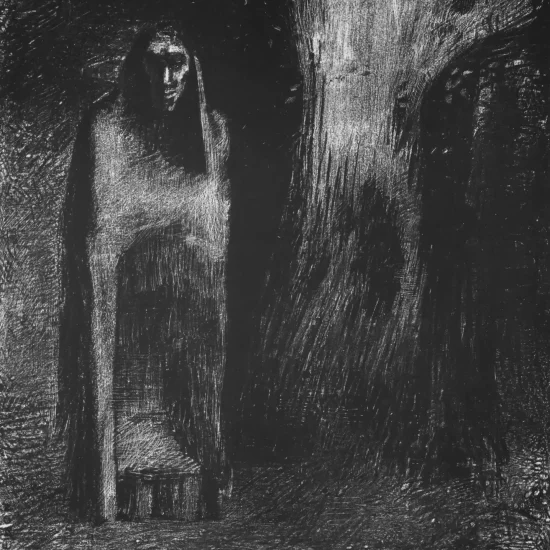
Lithography is one of those art forms that feels both straightforward and incredibly intricate. It’s a type of printmaking based on a unique concept: the natural resistance between water and grease. Imagine creating an image on a flat stone or metal plate, knowing that what you draw will only attract ink to those areas, leaving the rest of the surface untouched. The process may sound simple, but it takes skill and practice to make it work smoothly.
The Origin of Lithography
Lithography has its roots in late 18th-century Germany, where it was invented by Alois Senefelder. As a playwright, Senefelder was looking for an affordable way to publish his work and stumbled upon a method that could transfer text and images onto paper more efficiently than older techniques. The result? A process that would go on to revolutionize printing, making it possible to reproduce works of art, posters, and even books with a level of detail that had never been seen before.
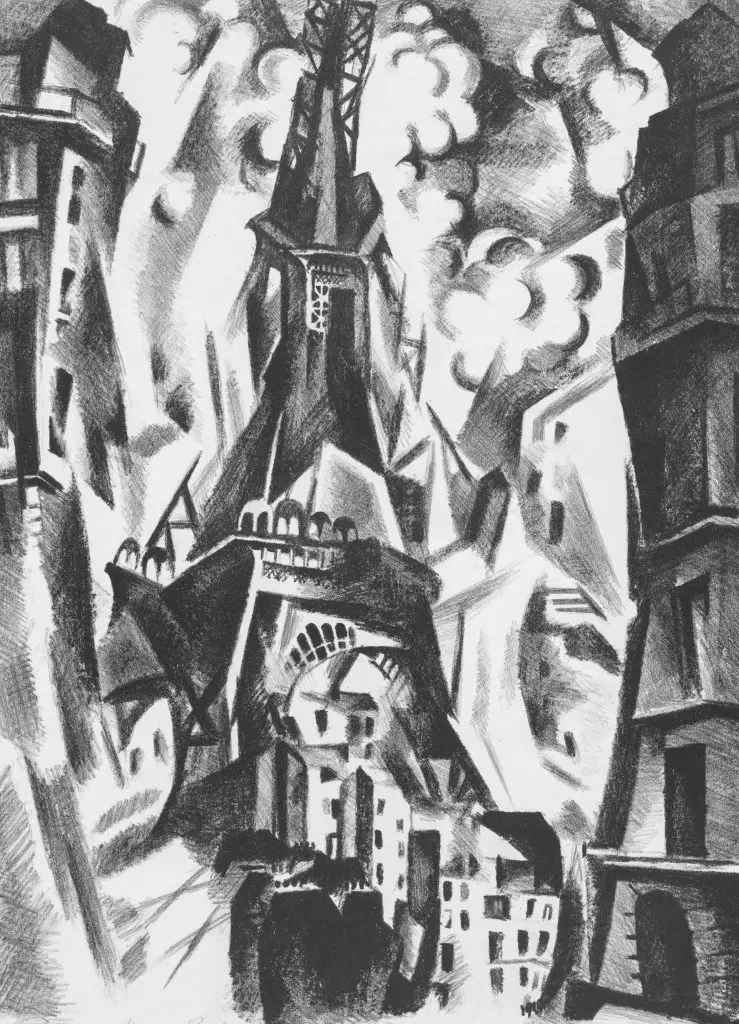
SourceL: https://unsplash.com/photos/a-drawing-of-the-eiffel-tower-in-paris-UA_EEdpxKd4
The method quickly gained popularity among artists because it allowed for precise, consistent prints that retained the subtleties of the original artwork. Lithography was particularly appealing to those who wanted to maintain control over how their work was presented on the page, making it a go-to for famous artists, from Toulouse-Lautrec to Picasso.
How It Works
The magic of lithography relies on the basic principle that water and oil don’t mix. An artist starts by drawing directly onto a stone (usually limestone) or metal plate using a greasy substance, like lithographic crayons or ink. This drawn image is then treated with a chemical solution that helps the greasy areas stay ink-friendly while making the rest of the surface repel ink. When the stone is dampened and an inked roller is run over it, the ink clings only to the greasy drawing, leaving the wet, blank areas untouched.
When it’s time to print, a piece of paper is pressed onto the inked stone or plate, transferring the image onto the paper. This process can be repeated many times, allowing for multiple prints of the same artwork to be created, each nearly identical to the original.
Why Artists Love Lithography
For artists, lithography opens up a world of creative possibilities. Unlike other printmaking methods, lithography allows artists to draw freely on the stone or plate, almost like they would on paper. They can use a variety of drawing tools—crayons, pens, or even brushes—to create effects that range from delicate, fine lines to rich, textured areas of shading. This freedom to experiment with different styles and textures has made lithography a favorite among artists who want to capture expressive, intricate details.

Source: https://unsplash.com/photos/a-black-and-white-drawing-of-a-woman-and-a-man-B1WjBQme0Xk
Over time, lithography studios became places where artists and skilled printers worked together. The artist would create the original drawing, and then a master printer, trained in the complexities of the lithographic process, would handle the chemical treatments and printing. This collaboration was essential, as creating high-quality lithographs requires precision in every step, from preparing the stone to applying just the right amount of pressure on the printing press.
Modern Lithography: From Stone to Metal Plates
In traditional lithography, limestone was the preferred surface. The stone’s porous quality allowed it to hold grease effectively, which made it perfect for detailed prints. However, working with stone has its downsides—it’s heavy and expensive, and it requires careful preparation. That’s why modern lithographers often use metal plates made from aluminum or zinc, which are lighter, easier to handle, and can also produce high-quality prints.
Metal plates have slightly different properties from stone, which can affect the final look of the print. Stone offers subtle tonal variations that are hard to achieve with metal, so it’s still the go-to for artists who want the richest possible details. But for commercial printing and high-volume production, metal plates are more practical.
Lithography in Today’s World
Today, lithography has gone digital, with techniques like offset printing evolving from traditional lithographic methods. Offset printing uses the same concept of water-repellent and ink-attracting areas, but it’s now automated and much faster, making it a staple in the publishing world for everything from books to packaging.
Meanwhile, in the art world, traditional lithography is still very much alive. Artists continue to be drawn to the unique qualities it offers, both for the hands-on, physical interaction it requires and for the distinct look of lithographic prints. In many ways, the art form has come full circle. While new technology makes mass printing more accessible, there’s a renewed appreciation for the craftsmanship and skill involved in creating a lithograph by hand.
Why It Endures
What’s special about lithography is how it bridges art and science, craftsmanship and creativity. Even though the process is technical, it’s also flexible, giving artists a platform to experiment and push boundaries. In a way, each lithograph is a small experiment, balancing chemistry, technique, and artistic vision.
Lithography may have started as a simple solution to a printing problem, but it’s become so much more. It’s an art form, a craft, and a connection between generations of artists who have all, in one way or another, used the basic repulsion of water and oil to bring their ideas to life on paper.