
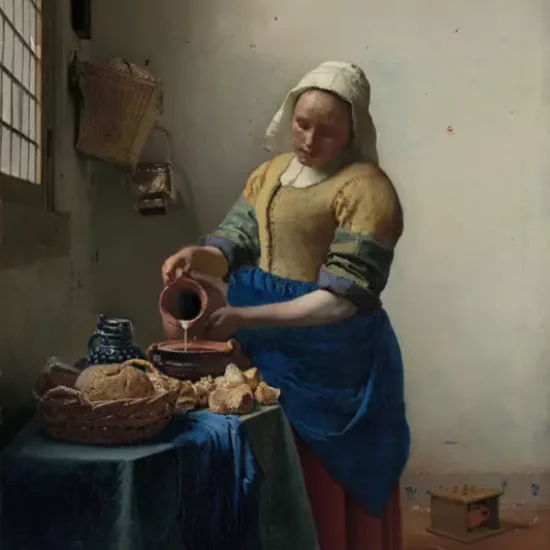
Old Masters paintings feel larger than life. They’re packed with details, emotion, and a skill level that can make modern art seem almost effortless by comparison. These works, crafted by European artists from the Renaissance through the 18th century, reflect not just talent but an unmatched dedication to technique and storytelling. Let’s dig into what makes these masterpieces so special and why they’re still talked about today.
What Do We Mean by “Old Masters”?
The phrase “Old Masters” is a bit of a catch-all, used to describe European painters from the Renaissance to the late 1700s. It’s not a specific group or movement but rather a title that acknowledges mastery in both skill and craft. Artists like Leonardo da Vinci, Michelangelo, Rembrandt, and Titian are the names most people know, but the roster extends far beyond them.
These painters typically trained in workshops where they’d start as apprentices, learning by copying their mentors before developing their techniques. It wasn’t about instant fame; it was a slow grind of refining skills over the years. What came out of that grind were paintings that combined technical brilliance with themes that still feel deeply human.
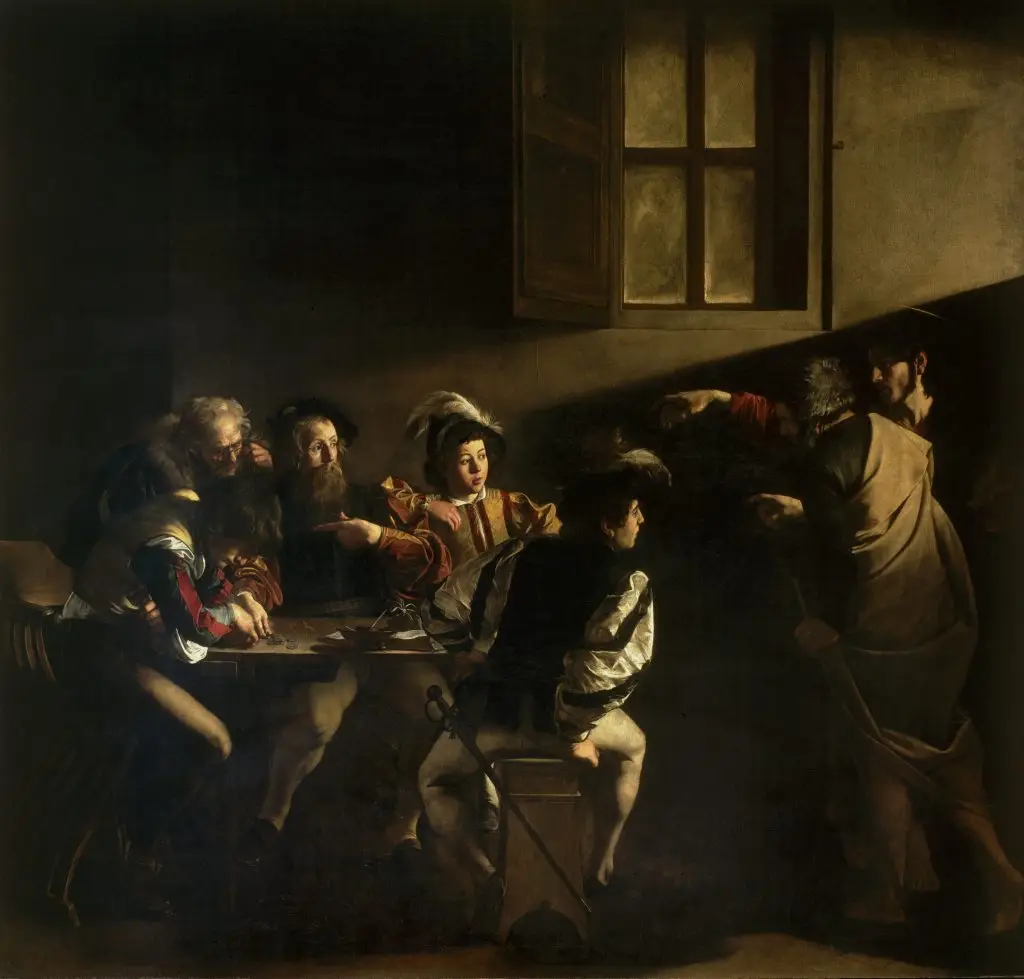
Source: https://commons.wikimedia.org/wiki/File:The_Calling_of_Saint_Matthew-Caravaggo_(1599-1600).jpg?uselang=en
Techniques That Changed the Game
What sets Old Masters apart is how they approached their craft. They were innovators, using new methods to create depth, light, and texture. Leonardo da Vinci, for example, pioneered a technique called sfumato to blend colors seamlessly, giving his works that soft, dreamy look. Then you’ve got Caravaggio, who practically invented cinematic lighting with his dramatic contrasts of light and shadow, known as chiaroscuro.
Oil paints were their medium of choice. These paints allowed artists to build up layers of color, creating a richness and depth that’s hard to replicate with other materials. If you’ve ever stood in front of a Rembrandt painting, you know what I mean—his use of texture and shadow makes the figures almost jump off the canvas.
Themes of The Old Masters Paintings
Old Masters paintings didn’t shy away from big themes. Religion was a massive influence, especially in Catholic regions like Italy and Spain. Think of Michelangelo’s frescoes in the Sistine Chapel or Caravaggio’s raw and emotional biblical scenes. These works weren’t just decoration; they were a way to inspire faith and awe.
But it wasn’t all about divine grandeur. Dutch painters like Vermeer and Bruegel zoomed in on the ordinary, showing everyday moments in incredible detail. Vermeer’s The Milkmaid, for example, captures a woman quietly pouring milk, yet the way he handles light and texture makes it mesmerizing. Bruegel, on the other hand, gave us lively, chaotic scenes of peasant life—farmers dancing, kids playing, and life unfolding in all its messy charm.
Portraiture was another big deal. Artists like Rembrandt and Holbein captured their subjects in ways that felt personal and intimate, not just stiff representations. Even when the portraits were of royalty or wealthy patrons, you could sense the personality and humanity beneath the grandeur.
Where to See Old Masters Paintings
Some of the world’s most famous Old Masters paintings are housed in museums that are worth visiting just to see these pieces. The Louvre in Paris is home to da Vinci’s Mona Lisa, a painting so famous it’s practically a pop culture icon. Madrid’s Prado Museum features Velázquez’s Las Meninas, a masterpiece that’s part royal portrait, part optical puzzle.
In Amsterdam, the Rijksmuseum showcases works like Rembrandt’s The Night Watch and Vermeer’s The Milkmaid. And if you’re ever in Florence, Italy, the Uffizi Gallery has an incredible collection of Renaissance art, including Botticelli’s The Birth of Venus.
Why They Still Matter
What makes Old Masters paintings stick with us is how they connect to universal human experiences. They tackled themes like love, mortality, and power—things that still resonate today. Their technical skills were groundbreaking, but their ability to tap into emotion is what makes their work timeless.
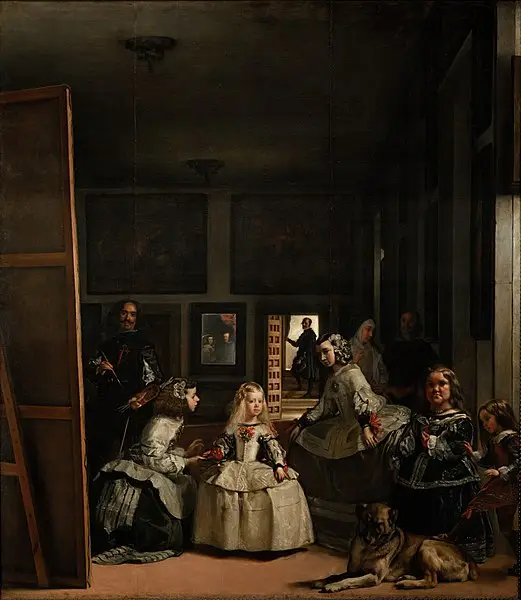
Source: https://commons.wikimedia.org/wiki/File:Las_Meninas,_by_Diego_Vel%C3%A1zquez,_from_Prado_in_Google_Earth.jpg?uselang=en
These artists also laid the groundwork for everything that came after. Impressionists, modernists, and even today’s digital artists all owe something to the techniques and ideas pioneered by the Old Masters. They set a standard for excellence that still inspires awe.
Conclusion: Old Masters Paintings
Old Masters paintings aren’t just about history—they’re about how art can capture something bigger than the moment. Standing in front of one, you feel the weight of time, skill, and emotion poured into every detail. It’s a reminder of what’s possible when creativity and dedication come together. So, whether you’re a lifelong art lover or just dipping your toes into the world of painting, these works are worth exploring. They’re not just old—they’re timeless.
Featured image: https://commons.wikimedia.org/wiki/File:Johannes_Vermeer_-_Het_melkmeisje_-_Google_Art_Project.png?uselang=en