When you think of concept art, images from your favourite movies, video games, or animated series likely come to mind. Those beautifully crafted worlds, intriguing characters, and captivating scenes all started as rough sketches or digital paintings. Concept art is the bridge between ideas and the final visuals we see in media. It’s where creativity meets problem-solving, helping to shape the look and feel of everything from fantasy landscapes to sci-fi spaceships.
What Exactly Is Concept Art?
Concept art is the first visual representation of an idea, often used in film, video games, and animation industries. It’s not the finished product, but more like a roadmap. These early designs guide the overall artistic direction and help the rest of the production team visualise how the final version might look. Whether it’s an environment, a character, or an entire universe, concept art lays the groundwork for the creative process.
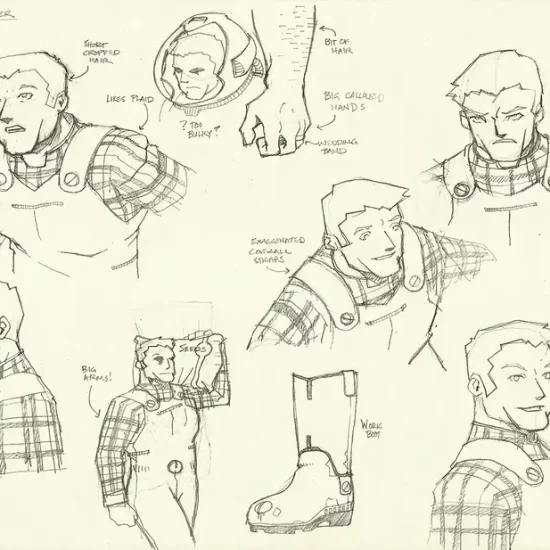
What’s interesting about concept art is that it’s not always polished. In fact, it’s often quite rough. The goal is to capture a mood or feeling quickly and effectively, not to create a perfect piece of art. It’s about getting ideas down fast and exploring different possibilities before settling on a final direction. This makes concept artists crucial in the early stages of any creative project.
The Role of a Concept Artist
Being a concept artist is more than just drawing well. Sure, technical skill is important, but what sets a great concept artist apart is their ability to think creatively and solve visual problems. They work closely with directors, designers, and other artists to interpret ideas and bring them to life. Sometimes they’re given a detailed brief; other times, it’s just a vague description or feeling that they have to translate into something tangible.
Concept artists have to be flexible too. The first version of their work is rarely the one that gets approved. It’s a process of constant refinement, where feedback is used to tweak and improve designs. This can mean redrawing the same character ten different ways or experimenting with multiple colour palettes to find the perfect look. It’s a job that requires both artistic skill and the patience to keep going back to the drawing board—literally.
Different Types of Concept Art
Concept art comes in various forms, depending on what it’s being used for. Some of the main types include:
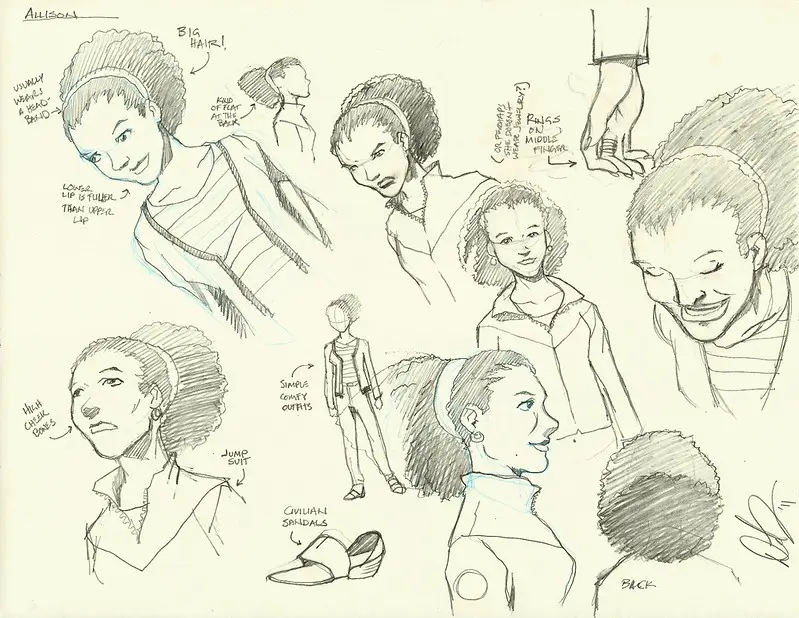
- Character Design: This is where the artist creates the look of the characters. It could be anything from human figures to mythical creatures. Character design involves thinking about personality, backstory, and how the character moves or interacts with the world.
- Environment Design: For building entire worlds, environment design is key. Whether it’s a lush forest, a futuristic city, or an alien planet, the concept artist works on creating spaces that fit the narrative. They think about everything from lighting to texture to make sure the environment feels alive.
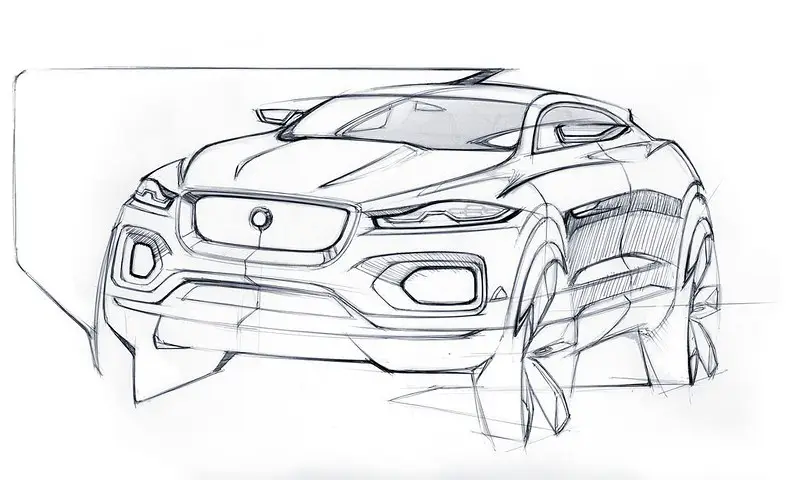
- Props and Vehicles: Every world needs objects that the characters use, like weapons, tools, or vehicles. Concept artists also design these items to fit the overall aesthetic of the project. Imagine a spaceship in a sci-fi movie—every detail, from the buttons to the engine, had to be thought out and designed.
- Creature Design: If the project requires fantastical creatures, then the concept artist gets to play with biology and imagination. This could be anything from dragons to alien species. A good creature design feels believable even if it’s something that could never exist in the real world.
Digital vs. Traditional Concept Art
In the past, concept art was done with traditional tools—pencils, inks, paints—on paper or canvas. These days, digital tools dominate the field. Software like Adobe Photoshop, Corel Painter, and Procreate have become essential for concept artists because they allow for quick edits and experimentation without having to start from scratch. Digital art also makes it easier to share work with a team and get feedback in real-time, which is crucial in a fast-paced production environment.
That said, traditional methods haven’t disappeared. Some artists still prefer the tactile experience of working with physical media, especially in the early brainstorming stages. Sketching on paper can feel more immediate, and some artists find it helps them think more freely. Ultimately, it comes down to personal preference, and many concept artists use a mix of both traditional and digital techniques.
The Importance of Research
While concept art may seem like pure creativity, there’s a lot of research involved. Whether designing a character’s outfit or creating an alien landscape, artists often look to the real world for inspiration. For example, when designing a futuristic city, an artist might study architecture or urban planning. If they’re creating a dragon, they might look at the anatomy of reptiles or birds to make the creature more believable.
Research ensures that even the most fantastical elements have some grounding in reality. This gives the audience something familiar to latch onto, even in the most imaginative settings. It’s this balance of creativity and realism that makes great concept art stand out.
Concept Art in Video Games
Concept art plays a massive role in video games. Before a game’s graphics and animations come to life, everything has to be designed, from the main characters to the smallest details in the environment. Whether it’s the vibrant worlds of open-world games or the moody, atmospheric settings of horror games, concept art is responsible for setting the tone.
Games like The Legend of Zelda, Assassin’s Creed, and The Last of Us all started with concept art that captured the spirit of the worlds they aimed to create. In some cases, these early drawings look quite different from the final product, but they serve as the foundation for everything that follows. Without concept art, it would be hard to imagine how these games would have taken shape.
Why Concept Art Matters
At the end of the day, concept art is all about imagination and storytelling. It’s the first step in bringing creative ideas to life and helps to shape the visual direction of an entire project. Without it, many of the films, games, and shows we love simply wouldn’t look the way they do. Concept artists might not always get the spotlight, but their work is absolutely essential in shaping the worlds we see on screen.
Whether you’re an aspiring artist or just someone who appreciates great visuals, concept art offers a fascinating glimpse into the creative process. It’s a reminder that behind every great scene or character, there’s a lot of thought, skill, and imagination that went into making it all happen.
Attribution:
Featured image: Lunatics TV, Josh Farmer Concept Sketch – Attribution-ShareAlike (CC BY 2.0) – https://flic.kr/p/aSNksB
Image 1: Lunatics TV, Sarah Allison Concept Sketch – Attribution-ShareAlike (CC BY 2.0) – https://flic.kr/p/aSNmsD
Image 2: Jaguar MENA – C-X17 Sports Crossover Concept Revealed – Attribution (CC BY 2.0) – https://flic.kr/p/fMTGqc