
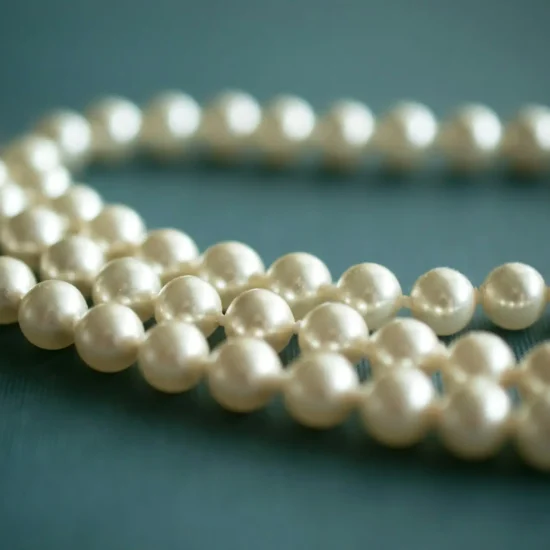
When we think of pearls, the mind usually jumps straight to jewelry: necklaces, earrings, maybe a timeless strand draped around someone’s neck. But in the art world, these gems have always been more than just accessories. They’ve been a source of fascination and symbolism, often reflecting beauty, purity, and sometimes even mystery. Their soft, lustrous glow can be mesmerizing, like a drop of moonlight in solid form. For artists, pearls aren’t just precious stones; they’re little symbols of nature’s elegance, waiting to be captured on canvas or crafted into sculptures.
The Perfect Imperfection of Pearls
One thing that makes these gems stand out in art is that no two are exactly alike. Each is unique, with its shape, size, and color variations. There’s a certain beauty in their “imperfections.” Artists often view them as a reminder that beauty isn’t always about uniformity. In paintings or sculptures, these gems are usually depicted in their natural, irregular forms—round but not perfectly so, smooth but with a hint of texture. This “perfect imperfection” adds depth and realism to art, capturing that feeling of nature’s raw elegance.
Symbolism in Art
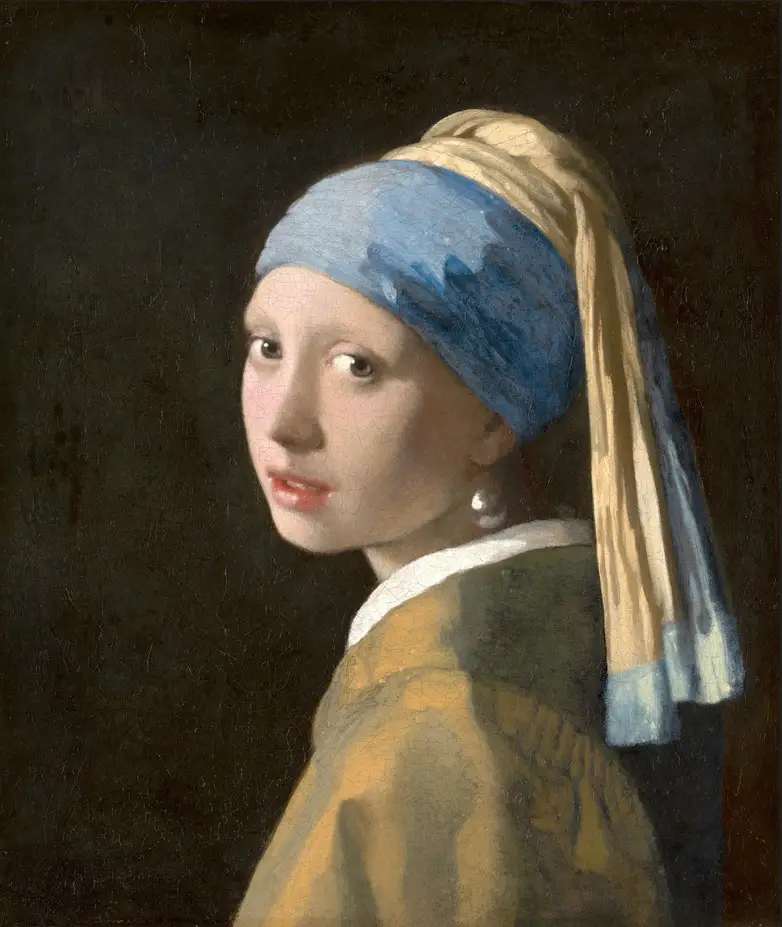
Throughout history, these gems have held deep symbolic meanings in art. In many cultures, they’ve represented purity, love, and wisdom. You’ll find them in portraits of royals or religious figures, adding a layer of grace or piety to the character. Take, for example, Vermeer’s Girl with a Pearl Earring. It’s a simple portrait, but that shimmering earring isn’t just decoration. It’s like an anchor in the painting, drawing the eye in, adding a quiet elegance and maybe even a hint of mystery. It’s not overly flashy; it doesn’t try too hard. But it’s there, radiating a subtle glow, almost as if it holds a story of its own.
The Craft of Capturing Pearls in Paint
Now, here’s a challenge many artists have faced over the centuries: how do you capture the soft, almost translucent glow of a gem on a flat surface? Paint doesn’t shimmer, it doesn’t capture light the same way, so artists have to get creative. They work with layers, adding touches of white, gray, and soft colors to create that illusion of depth. The trick is often in the highlights, those tiny dots of white paint that make the gem “shine.” It’s a subtle art, requiring a balance between precision and restraint. Too much highlight and the result looks fake; too little, and it loses that iconic glow.
Pearls in Sculptures and Beyond
These gemstones aren’t just popular in paintings; they’ve also found a place in sculpture and other forms of art. Sculptors have used them to add a touch of delicacy or refinement to their works. In some cultures, they have been embedded into statues of deities or woven into the crowns of royal figures, adding that extra layer of luxury. In a way, they become part of the storytelling, connecting the artwork to themes of wealth, power, or even divinity. It’s not just about decoration; it’s about creating a mood, giving the viewer a sense of the character or the era the artist is portraying.
A Rainbow of Hues
When most people picture these gems, they imagine a soft, creamy white. But they come in various colors—blues, pinks, silvers, even deep blacks. For artists, this variety is like a painter’s palette. Different colors evoke different moods, and some artists play with these shades to bring new energy into their work. Black gemstones, for example, carry a certain mystique. They’re rare, and their darker color can add depth or drama to an image. Pink ones, on the other hand, can soften a piece, lending a hint of warmth and romance. It’s a reminder that they are more versatile than they seem, fitting into countless artistic styles and themes.
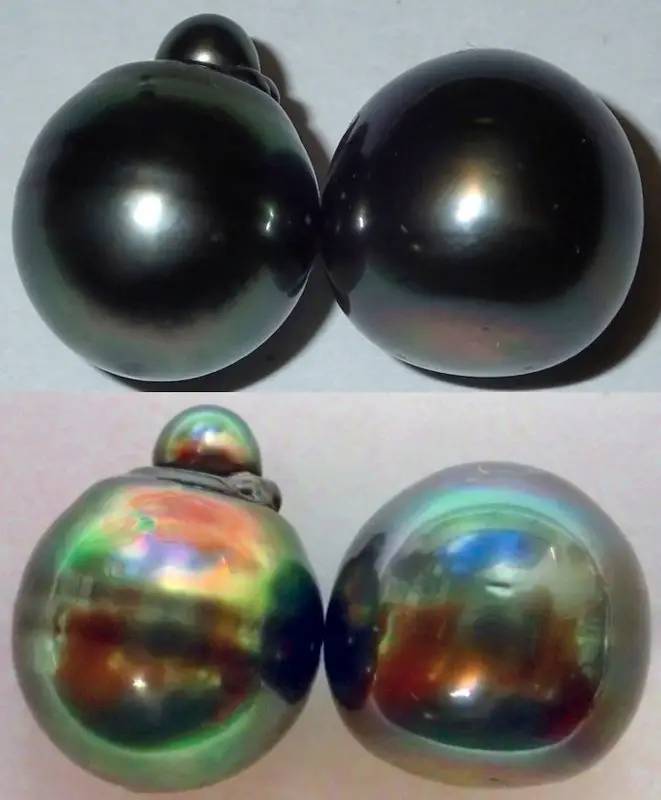
Source: James St. John, Black pearls (cultured) Attribution (CC BY 2.0), https://flic.kr/p/LueVq5
Modern Art’s Take on Pearls
In contemporary art, these natural wonders have found new roles and meanings. Some artists use them to challenge traditional ideas of beauty, while others incorporate them in abstract installations to explore concepts like femininity, identity, or nature. They might appear scattered, broken, or set against unexpected backdrops, giving them a whole new feel. They’re no longer bound by their old meanings; instead, they’re open to interpretation, inviting the viewer to ask new questions or see them in a new light. In a way, these gems have become a bridge between the past and present, holding onto their timeless charm while still fitting into today’s world of abstract creativity.
The Lasting Allure of Pearls
Even as art and fashion evolve, these gems remain relevant. They have a certain timeless appeal, a quiet elegance that doesn’t fade with trends. Artists continue to return to them, drawn to that elusive glow and the meanings they carry. Whether they’re painted into classic portraits or crafted into modern sculptures, they manage to capture something both simple and profound. Maybe it’s their natural beauty, or maybe it’s the idea of a precious gem born from a humble oyster. Whatever the reason, they have left a lasting mark on the art world, symbolizing a beauty that’s natural, unique, and wonderfully imperfect.