
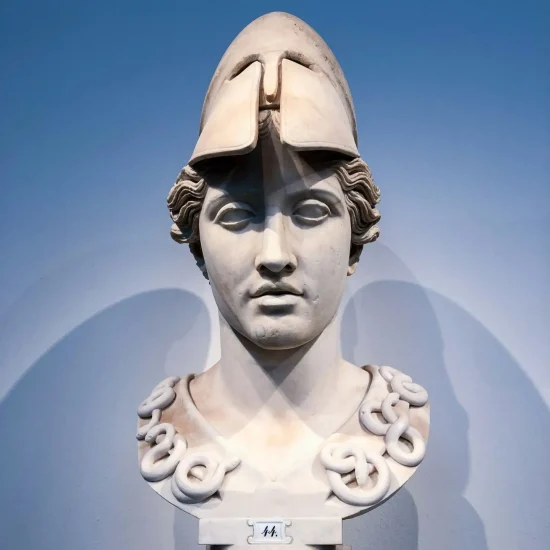
Roman statues are more than just relics from the past; they’re a glimpse into the lives, beliefs, and artistry of one of history’s most influential civilizations. These sculptures, ranging from majestic emperors to everyday citizens, tell a story of power, culture, and creativity that still fascinates us today. Let’s take a closer look at what makes Roman statues so compelling and why they continue to capture our imagination.
A Blend of Borrowed Ideas and Original Flairs
The Romans were brilliant innovators, but they weren’t shy about borrowing from others. Much of their early statue-making was inspired by Greek art, often replicating Greek originals in marble or bronze. However, Roman artists didn’t just copy—they adapted these styles to suit their own tastes and purposes. While Greek statues often celebrated idealized human forms, Roman sculptures leaned into realism. Wrinkles, scars, and all the little imperfections of life were captured in stunning detail, particularly in portraits of politicians and generals. This style, known as verism, was all about showing authenticity, even when it wasn’t flattering.
A Focus on Power and Prestige
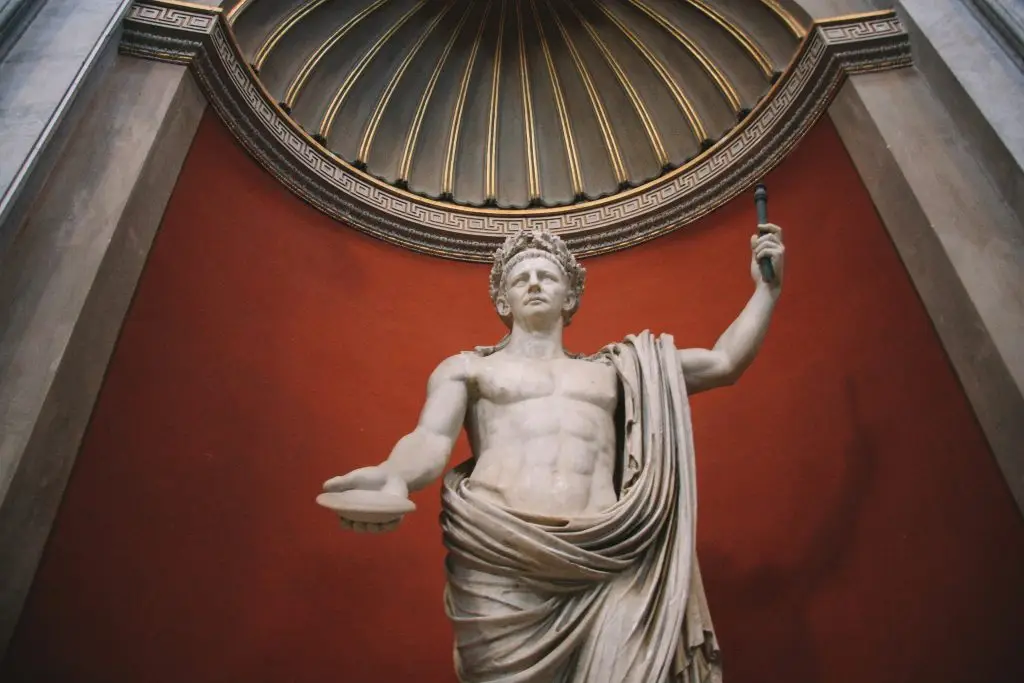
Roman statues were deeply tied to power. Busts and full-body sculptures of emperors, like Augustus and Hadrian, were crafted to reinforce their authority. These statues often showed leaders as calm and composed, with godlike features that conveyed strength and divine favor. For instance, the famous Augustus of Prima Porta statue depicts the emperor in a military pose, radiating confidence and control. It wasn’t just about capturing a likeness—it was about shaping public perception.
Source: https://unsplash.com/photos/a-statue-of-a-man-holding-a-staff-veHGlVkU4qQ
Equestrian statues, like the one of Marcus Aurelius, were another common form of power display. These larger-than-life sculptures portrayed leaders on horseback, symbolizing their ability to guide and protect their people. What’s remarkable about the Marcus Aurelius statue is that it’s one of the few bronze statues to survive from antiquity, as most others were melted down over the centuries.
More Than Just Leaders
Not all Roman statues celebrated rulers. Many depicted gods, mythological scenes, or everyday people. Statues of deities like Jupiter, Venus, and Mars were placed in temples and public spaces to inspire awe and devotion. Meanwhile, funerary sculptures, like those found on tombs, provided a more personal touch. These often included detailed carvings of family members, occupations, or achievements, offering a glimpse into the lives of ordinary Romans.
Roman statues weren’t just standalone pieces either. Reliefs, like those on Trajan’s Column, used intricate carvings to tell a story. This towering monument details the emperor’s victories in the Dacian Wars, with scenes of soldiers, battles, and preparations rendered in incredible detail. These narrative works acted almost like ancient comic strips, preserving history in stone.
Mastery in Materials
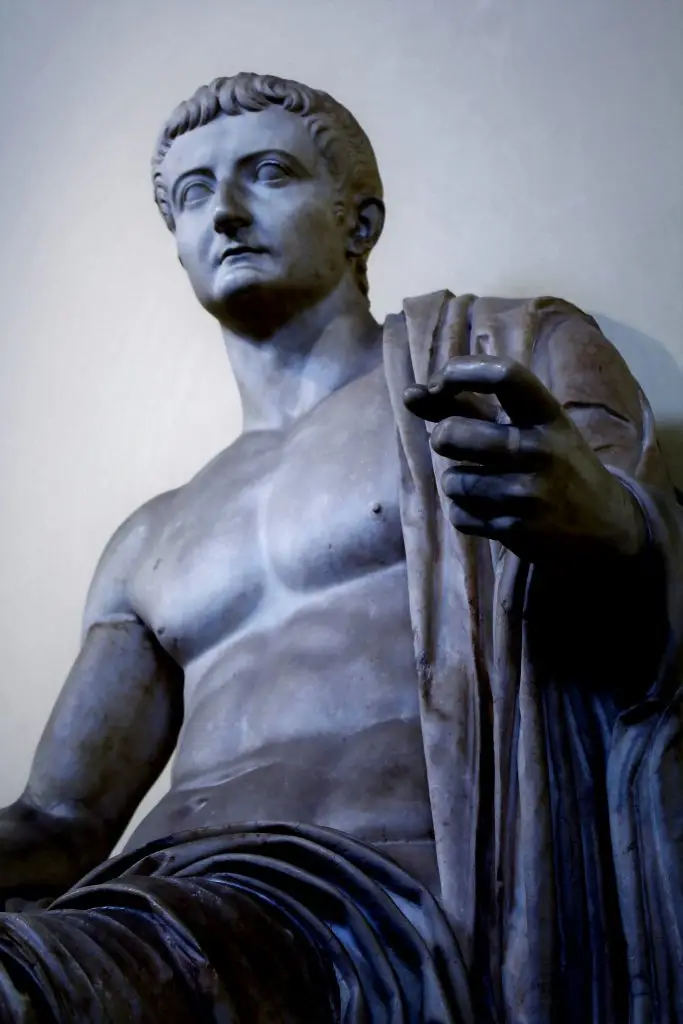
The Romans worked with a variety of materials, each chosen for its purpose and prestige. Marble was the go-to for many public statues, prized for its durability and elegance. Bronze was another favorite, often used for equestrian statues or intricate details. Terra cotta and plaster, though less glamorous, were also common for more modest works or preliminary models.
Source: https://unsplash.com/photos/man-statue-near-white-wall-A6CKAsYguQM
Interestingly, many Roman statues we see today are missing something important—their original colors. While we often think of these sculptures as plain white marble, most were actually painted in vibrant hues. Over time, these pigments faded or were removed, leaving behind the stark look we associate with classical art.
The Legacy of Roman Statues
Roman statues didn’t just fade away with the fall of the empire. They influenced art and architecture for centuries, inspiring the Renaissance and beyond. Artists like Michelangelo and Bernini drew heavily from Roman techniques, blending realism with grandeur in their own works. Even today, the precision and storytelling of Roman statues continue to be studied and celebrated.
Modern conservation efforts aim to preserve these masterpieces for future generations. Advances in technology, like 3D scanning and restoration, are helping us understand these works better than ever before. Whether in museums, ruins, or public squares, Roman statues remain a connection to the past—a reminder of how art can endure across millennia.
Conclusion: Roman Statues
Roman statues are more than just art; they’re a record of a civilization that shaped the world. From their stunning realism to their use as tools of propaganda, these sculptures offer a window into the hearts and minds of the Roman people. Whether it’s a weathered bust in a museum or a towering monument in a city square, each piece tells a story worth exploring.
Featured image: https://unsplash.com/photos/white-headbust-statue-ot5bYzjWksE