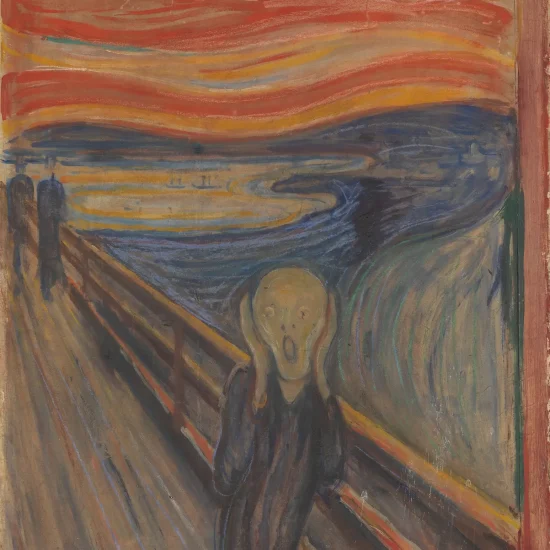
Edvard Munch’s The Scream is one of the most recognizable paintings in the world, but it’s not just the haunting figure at its center that grabs attention. The painting embodies a profound expression of emotional intensity that goes beyond typical visual art. Created in 1893, The Scream has been interpreted as a visual representation of modern human anxiety, and its background and symbolism shed light on a deeply personal moment for the artist.
Inspiration Behind The Scream
Munch’s inspiration for The Scream came from a very personal experience. During a walk along a fjord near Oslo with his friends, Munch described feeling overwhelmed by a sudden sense of anxiety. In his diary, he wrote about the moment when the sky turned “blood red,” and he felt as though he could hear “the scream of nature.” It wasn’t just a passing feeling; the sense of dread was so powerful that Munch felt it viscerally as if the world itself was crying out in agony. The sky, the landscape, and his inner turmoil intertwined, creating the backdrop for the iconic painting.
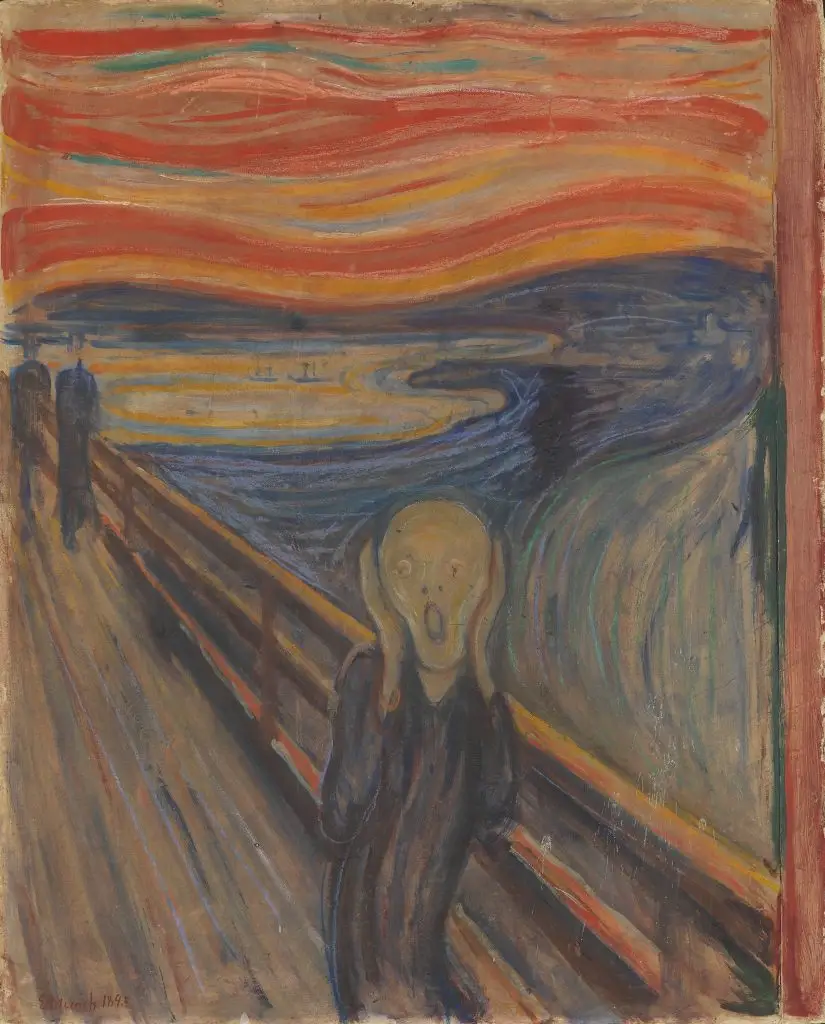
The swirling colors and distorted landscape in The Scream amplify the chaotic emotions that Munch was experiencing. The sky’s intense red and orange hues, along with the turbulent patterns, evoke a sense of unease. The figure in the foreground, clutching their face, seems engulfed by the overwhelming forces around them. It’s not just a scream from the person depicted, but a scream from the environment itself, which Munch called the “infinite scream of nature.”
The Figure: Who or What is Screaming?
One of the most striking elements of The Scream is the figure at its center. Despite its simple form, the figure embodies deep emotional vulnerability. Its sexless, skeletal appearance adds to the universality of the experience portrayed—it could be anyone, even Munch himself. The androgynous form, with its hollow eyes and open mouth, doesn’t just look like someone screaming but appears consumed by the scream, blending into the tumultuous surroundings.
The pose of the figure, with hands cupping the face, may have been inspired by a Peruvian mummy Munch saw at an exhibition in Paris. This mummy had a similar posture. Some scholars suggest it might have influenced how Munch portrayed the human form in this piece. It particularly captures a sense of primal fear and isolation. However, the painting’s emotional intensity shows that this isn’t a literal depiction of fear, but a symbolic one.
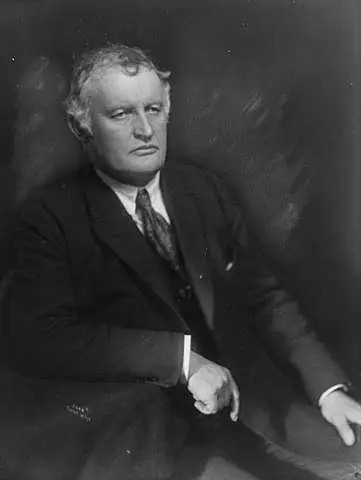
Edvard Munch in 1921. Photo by: Anders Beer Wilse, Norwegian Museum of Cultural History
The Setting and Its Deeper Meaning
The blood-red sky in the background has been the subject of much speculation. Some theorize Munch was inspired by the unusual sunsets caused by volcanic ash from the eruption of Krakatoa in 1883. These spectacularly vivid skies, visible even in Norway, likely left a lasting impression on Munch. The contrast between the fiery sky and the dark blue fjord below creates a stark, almost otherworldly atmosphere.
But the natural landscape in The Scream wasn’t just about beauty. Munch painted the scene near a place that was both serene and tragic. Close to where he was walking stood both a slaughterhouse and a mental asylum. The sounds of these places—possibly the cries of animals or the suffering of the mentally ill—might have influenced Munch’s experience of that particular evening. In many ways, the setting of The Scream represents the artist’s confrontation with both external and internal chaos.
A Reflection of Munch’s Life
Munch’s personal life was marked by a series of traumatic events that influenced his work. He experienced illness and death within his family, and he struggled with mental health throughout his life. His father’s death when Munch was just 14, followed by the loss of his mother and sister, left deep emotional scars. Many of his works, including The Scream, reflect these personal tragedies.
The figure in the painting seems to express not only fear but also a sense of profound isolation. Although the landscape and distant figures surround the central figure, it stands alone, frozen in a moment of existential dread.. Munch’s use of color and form conveys the intensity of his inner world—bold, chaotic, and raw.
Why The Scream Endures
Even today, The Scream continues to resonate with people. Its themes of anxiety, fear, and isolation are universal. The painting taps into emotions that many people experience at different times in their lives. Munch’s work speaks to something deeply human, whether it’s the overwhelming sensation of being small in the face of nature or the creeping anxiety that modern life can provoke.
Munch’s approach to painting wasn’t about creating something aesthetically pleasing in the traditional sense. Instead, he focused on expressing raw emotion, and in doing so, he broke new ground. This emotional honesty, coupled with the simplicity of the composition, is part of what makes The Scream so powerful.
Conclusion
The Scream remains a haunting depiction of emotional turmoil. Munch’s use of color, form, and symbolism transforms what could have been a simple landscape scene into something far more complex and evocative. It’s a painting that captures a moment of deep psychological insight, as Munch confronts his own anxieties and fears through art. Today, The Scream stands as a testament to the power of expression and the timelessness of human emotion.