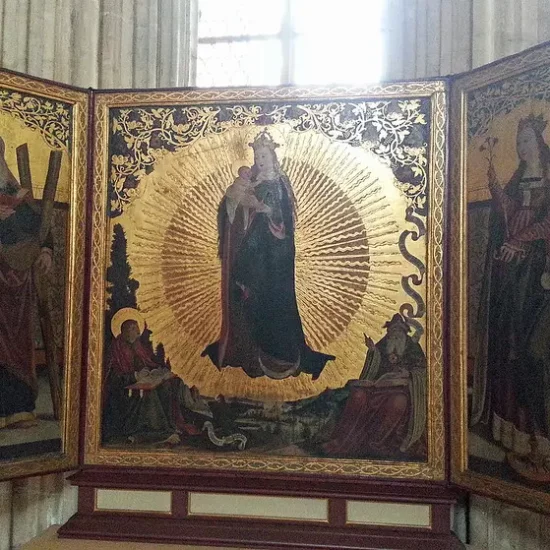
A triptych is a fascinating format in art history. Simply put, it’s a work of art divided into three sections or panels, typically physically and thematically connected. You’ll often find them in religious settings or as altarpieces, but artists have also used them to tell stories, explore different viewpoints, or convey abstract ideas.
What Makes a Triptych Special?
At its core, the triptych is about balance and flow. Each panel contributes to the whole piece, yet they often have distinct messages or moods. In older religious examples, the central panel usually depicted the most important scene, such as a deity or significant biblical event, with the side panels complementing or contrasting it. The central section tends to command the most attention, while the flanking panels can offer quieter or contrasting narratives, creating a layered experience.
One famous example is The Garden of Earthly Delights by Hieronymus Bosch. This 15th-century painting is renowned for its vivid, almost surreal depiction of heaven, earth, and hell. The left panel shows paradise and the creation of Adam and Eve. The center takes a sharp turn, focusing on human pleasures and indulgences. Finally, the right panel represents the consequences of excess, a vivid portrayal of torment in hell. This structure draws you in with its wild contrasts and underlying narrative—a hallmark of many classic triptychs.
Where did the Tryptich Originate from?
The triptych originated as a popular altarpiece format during the Middle Ages and the Renaissance. The three-part structure was ideal for religious depictions, often housed in churches and cathedrals. During mass, the wings could be opened to reveal detailed paintings inside, providing a sense of awe and reverence for the sacred themes they depicted.
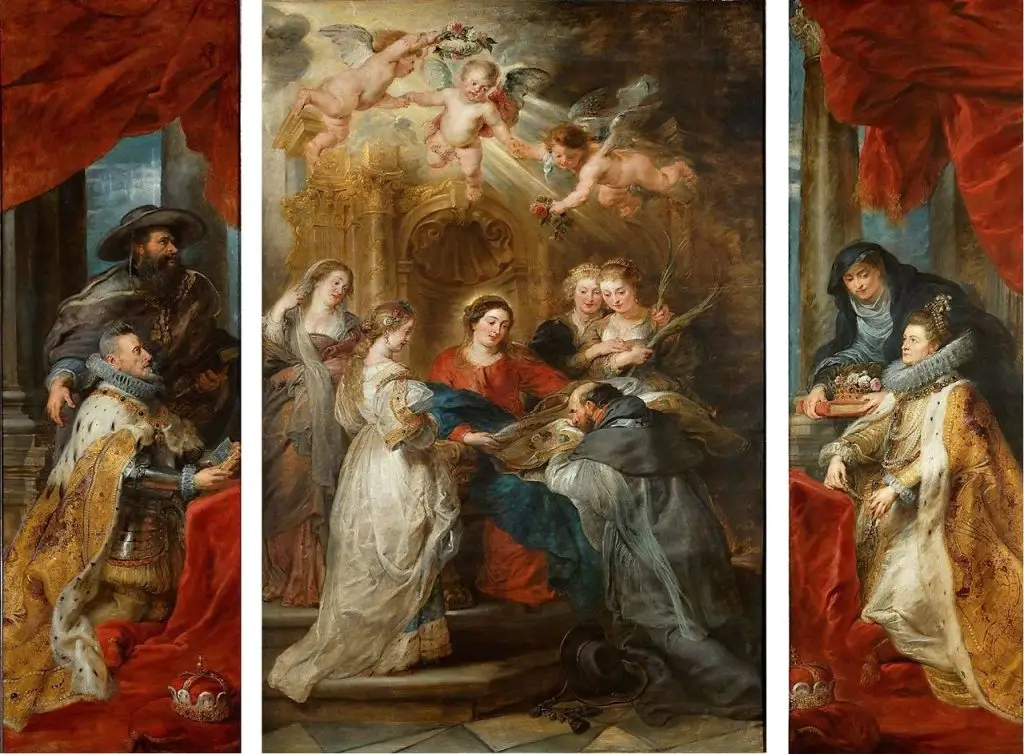
In these early examples, the religious connections are clear. For instance, the Triptych of St. Ildefonso by Peter Paul Rubens is an exceptional example from the Baroque period. It reflects the life of St. Ildefonso, with striking central imagery and complementary side panels. These religious triptychs were designed to tell a story, with each panel playing a distinct role in narrating events or themes from the Bible.
Beyond Religion: Artistic Flexibility
Although religious triptychs were once the norm, artists eventually started using this format for secular purposes as well. The structure itself offers a lot of creative flexibility. Modern triptychs can be abstract, conceptual, or even focused on personal stories. What makes them appealing is how they let artists break up their subject matter into different parts while still keeping everything connected.
For instance, many contemporary artists use the format to play with time, perspective, or narrative. Each panel might show the same scene from a different angle or depict a progression of events. It’s an effective way to give viewers multiple viewpoints, encouraging them to piece the story together independently.
The Triptych used in Modern Art
In the 20th and 21st centuries, triptychs moved further away from their religious origins. You’ll now find them in photography, abstract art, and even digital formats. Their inherent structure invites experimentation. Artists can explore contrasting themes or break down a single concept into distinct visual elements across the panels.
Abstract artist Francis Bacon, for example, often used the triptych format to explore psychological and emotional states. In his series of works, the panels aren’t bound by a strict narrative but rather create a sense of tension and dynamic movement. Bacon’s use of triptychs shows how the format can be harnessed to evoke feelings or represent inner turmoil, far removed from the traditional religious altarpiece.
Symbolism and Visual Storytelling
One of the key strengths of a triptych is its ability to handle complexity. Whether it’s a historical narrative, a personal story, or an abstract concept, the three panels offer space for artists to delve into their subject matter from multiple angles. This often results in a layered, multifaceted piece where each panel has its own visual story, yet also contributes to the overall message.
Symbolism is also a major part of many triptychs. Each panel might be loaded with symbolic meaning that ties into the central theme. For instance, in Bosch’s The Garden of Earthly Delights, the interplay between the panels speaks volumes about his views on human nature and morality. It’s this deeper layer of meaning that makes triptychs stand out. They invite viewers to engage not just with one image but with three interrelated ones, creating a richer, more immersive experience.

Why Are Triptychs Still Popular?
Triptychs are still used today because they allow artists to explore multiple perspectives within a single piece. Whether the subject is religious, abstract, or even political, the triptych format lends itself to complexity. It offers artists the chance to create works that are at once unified and fragmented, providing both cohesion and contrast. The format is also highly adaptable, making it perfect for both traditional painting and more modern mediums like photography and digital art.
In conclusion, triptychs remain a powerful tool for storytelling and visual expression. From their early religious roots to their modern incarnations in contemporary art, they have always been a versatile and engaging format. The combination of balance, narrative, and symbolism makes them particularly effective, whether looking at a centuries-old altarpiece or a cutting-edge abstract work.
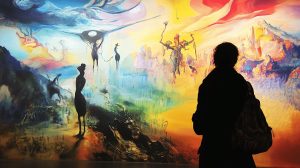
Featured image: Feline Groovy, 20130329_073233, Attribution-NoDerivs (CC BY 2.0) – https://flic.kr/p/eemCQW