
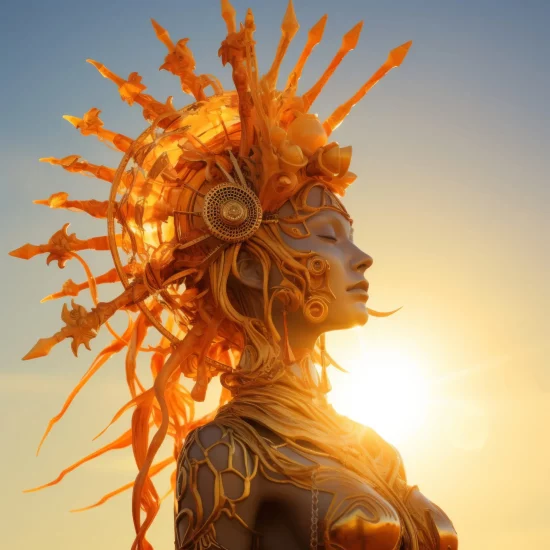
Zenobia, the renowned third-century queen of Palmyra, has captivated the imagination of generations. Her story—rising to power, defying Rome, and ultimately succumbing to its might—is a tale rich with drama, resilience, and tragedy. It’s no wonder her legacy has been immortalized in art through the centuries. From classical sculptures to modern interpretations, Zenobia’s life has served as a powerful muse, shaping how we perceive strength and vulnerability in equal measure.
Let’s delve into how artists across time have portrayed this fascinating figure, exploring the nuances of their work and uncovering the emotional, historical, and cultural layers they bring to life.
The Historical Backdrop
Before we dive into Zenobia’s artistic representations, it’s worth revisiting her extraordinary story. Born in Palmyra—a thriving trade hub in present-day Syria—Zenobia rose to prominence after the death of her husband, Odaenathus, the ruler of Palmyra. As regent for her young son, she boldly declared independence from Rome and expanded her territory to include much of the Eastern Roman Empire.
However, her defiance didn’t go unchallenged. Emperor Aurelian launched a campaign to reclaim the lost territories, capturing Zenobia in 272 CE. Accounts differ on her fate—some say she was executed, others that she lived out her days in relative comfort in Rome. Regardless, Zenobia’s audacity and ambition left an indelible mark on history, offering a rich narrative for artists to interpret.
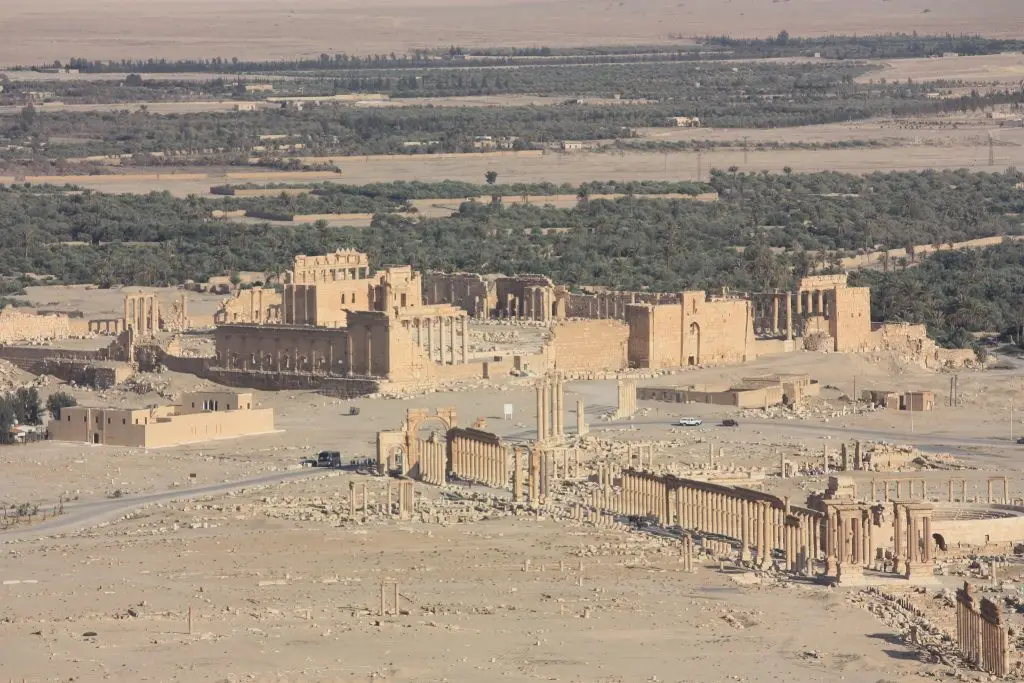
Source: Arian Zwegers, Attribution (CC BY 2.0), https://flic.kr/p/aGdRVk
Sculptural Elegance: Strength in Stone
Zenobia’s strength and poise have often been the focus of sculptors, particularly during the 19th century. One of the most notable works is Harriet Hosmer’s Zenobia, Queen of Palmyra. This marble sculpture depicts Zenobia in chains, a symbol of her capture, yet her bearing is anything but defeated.
Hosmer, a pioneering female sculptor, infused the piece with a sense of quiet dignity. Zenobia’s upright posture and serene expression suggest an unbroken spirit, even in the face of overwhelming odds. The attention to detail—her flowing robes, the intricate chains, the subtle tension in her hands—adds layers of complexity to the work.
Pro Tip: When examining sculptures, consider the material. Marble’s translucency can mimic human flesh, lending a lifelike quality to the piece. Observe how light interacts with the surface, creating shadows that enhance the subject’s emotional depth.
Painted Dramas: Light and Shadow
Painters, too, have found Zenobia’s story irresistible. Nicolas Poussin’s Queen Zenobia Found on the Banks of the Araxes stands out as a poignant interpretation. Poussin captures the moment of Zenobia’s capture, emphasizing the vulnerability of a once-powerful queen.
The composition draws the viewer’s eye to Zenobia, surrounded by her captors, her expression a blend of resignation and defiance. Poussin’s masterful use of chiaroscuro—contrasting light and dark—heightens the emotional tension. The scene feels both intimate and grand, a testament to the artist’s ability to balance narrative and visual impact.
Pro Tip: In narrative paintings, look for the “focal point”—the area where the artist wants your attention to linger. This is often achieved through strategic lighting, color contrasts, or compositional placement.
Modern Takes: Reimagining Zenobia
The allure of Zenobia hasn’t faded with time. Contemporary artists continue to reinterpret her story, each bringing fresh perspectives and styles. Amr El Gohary’s Queen Zenobia is a standout example, blending traditional techniques with modern aesthetics.
El Gohary’s work is vibrant, characterized by bold colors and dynamic brushstrokes. Unlike the subdued tones of classical works, his portrayal is energetic, capturing the queen’s resilience and charisma in a way that resonates with today’s audiences. This modern approach underscores Zenobia’s timeless relevance, connecting her story to themes of empowerment and identity.
Pro Tip: When exploring modern art, don’t hesitate to interpret the artist’s choices. Contemporary works often leave room for subjective readings, encouraging viewers to find their own meaning in the piece.
Zenobia in Literature and Beyond
Visual art isn’t the only medium where Zenobia has left her mark. Writers and dramatists, too, have drawn inspiration from her life. Historical novels, such as Zenobia, Queen of Palmyra by Nathaniel Hawthorne, delve into her story, while operas like Rossini’s Aureliano in Palmira dramatize her conflict with Rome.
These literary and musical interpretations provide a broader cultural context for Zenobia’s legacy, showcasing how her story has transcended time and geography.
Pro Tip: Cross-referencing art forms—paintings, sculptures, literature, music—can deepen your understanding of a historical figure. Each medium offers a unique lens, enriching your appreciation of their legacy.

Source: Helder Mira, Zenobia in Chains, Attribution (CC BY 2.0), https://flic.kr/p/7G8pbi
A Legacy Carved in Art
What makes Zenobia such a compelling subject for artists? Perhaps it’s her duality—a figure of immense power who faced profound vulnerability. She represents the complexities of leadership, the burdens of ambition, and the resilience of the human spirit.
Art inspired by Zenobia invites us to reflect on these themes, offering insights into her character while also holding a mirror to our own values and aspirations. Whether through marble, paint, or modern digital techniques, Zenobia remains a muse for the ages, her story as vibrant and relevant today as it was nearly two millennia ago.
Pro Tip: When visiting museums or galleries, take note of the cultural and historical context provided in the descriptions. Understanding the environment in which an artist worked can enhance your appreciation of the piece.
Why Zenobia Matters Today
Zenobia’s story is more than a historical footnote; it’s a source of inspiration. Her audacity, intellect, and resilience continue to resonate, reminding us of the power of courage in the face of adversity. Through the lens of art, we can engage with her story in ways that are both deeply personal and universally significant.
Art, at its best, doesn’t just depict—it transforms. And in the case of Zenobia, it ensures that her legacy endures, inspiring future generations to find strength in her story.
Featured image: https://www.freepik.com/free-ai-image/radiant-depiction-empowered-female-sun-goddess_152368025.htm#fromView=search&page=1&position=9&uuid=3d06ef9f-c163-41f5-a09f-cfbe1852ef6b