

When we think of David Lynch, it’s often his surreal films that come to mind. But did you know that before he was a filmmaker, Lynch was deeply immersed in the world of visual arts? Even though he is most famous for his films, we shouldn’t neglect his other works.
The Start of David Lynch’s Career
David Lynch was born in Missoula, Montana, in 1946. His early years were marked by frequent relocations due to his father’s job with the U.S. Department of Agriculture. Moving constantly exposed him to various American landscapes, which later influenced his artistic vision. Initially, Lynch pursued painting, studying at the Pennsylvania Academy of the Fine Arts in Philadelphia. It was here that he began experimenting with combining painting and moving images, leading to his first short film, “Six Men Getting Sick (Six Times).”
Transition to Filmmaking
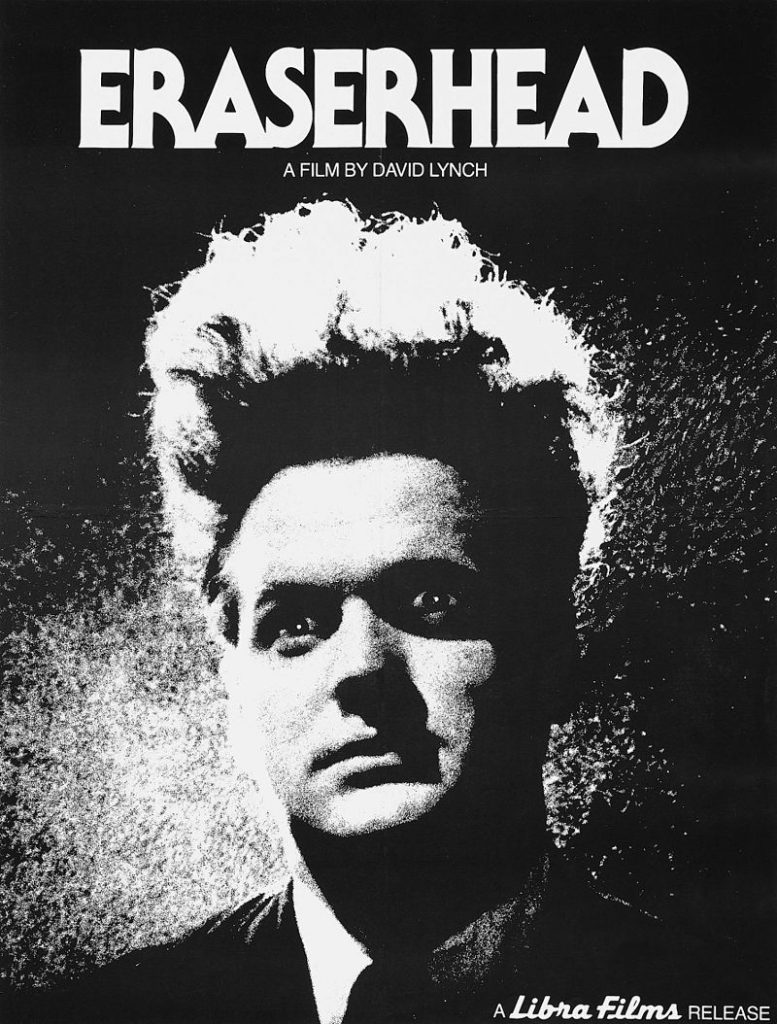
Lynch’s move from painting to film wasn’t abrupt. His early short films were extensions of his canvas work. This culminated in his first proper film, “Eraserhead,” a project that took several years to complete. The film had a very haunting atmosphere which indicated from the beginning what kinds of themes he prefers.
Pro Tip: “Eraserhead” is a prime example of how Lynch uses sound to complement his visuals. Watching it with a focus on the auditory experience can provide deeper insights into his artistic approach.
Themes and Motifs in Lynch’s Art
A recurring theme in Lynch’s work is the juxtaposition of the mundane with the macabre. He often presents idyllic settings that harbor dark secrets, challenging viewers to look beyond the surface. This duality is evident in both his films and visual artworks.
Pro Tip: When analyzing Lynch’s pieces, consider the underlying narratives. What appears serene might conceal a deeper, more unsettling story.
His Opinion on Transcendental Meditation
Lynch was a proponent of Transcendental Meditation (TM), a practice he believed enhanced his creativity. He even established the David Lynch Foundation to promote TM in schools and among at-risk populations. This meditative practice influenced the dreamlike quality of his works, allowing him to tap into deeper layers of consciousness.
Pro Tip: To truly appreciate the depth of Lynch’s art, consider reading his book “Catching the Big Fish,” where he discusses the interplay between meditation and creativity.
Celebrating Lynch’s Collaborations
Lynch’s creative journey is not a solitary one. He frequently collaborated with innovative thinkers and performers, from composer Angelo Badalamenti, whose haunting scores became synonymous with Lynch’s films, to actors like Kyle MacLachlan, who perfectly embodied Lynch’s nuanced characters. These partnerships amplified the distinct atmosphere of his projects, blending visuals, music, and performance into an unforgettable whole.
Pro Tip: Listen to the soundtrack of “Twin Peaks” to experience the seamless blend of music and storytelling. It’s a masterclass in how sound can elevate narrative depth.
David Lynch in Contemporary Art Spaces
Beyond cinema, Lynch’s artworks have found homes in prestigious galleries worldwide. Exhibitions showcasing his paintings, photography, and mixed-media works continue to attract viewers who want to see the origins of his surreal visions. His visual art often incorporates grotesque yet oddly beautiful imagery, evoking emotions that words cannot.
Pro Tip: If you get the chance to attend a Lynch art exhibition, spend time with his black-and-white photography. It offers a glimpse into his perception of light and shadow, which heavily informs his cinematography.

Source: Gabriel Marchi, Attribution (CC BY 2.0), https://flic.kr/p/5rixvL
The Legacy of David Lynch
David Lynch’s contributions to art and cinema have left an indelible mark. His style was unique and has inspired countless artists and filmmakers to embrace the unconventional. By challenging traditional narratives and aesthetics, Lynch opened doors to new forms of expression.
Pro Tip: For those interested in delving deeper into Lynch’s world, the biography “Room to Dream” offers a comprehensive look at his life and creative process.
Conclusion: David Lynch
In conclusion, David Lynch’s journey from a visual artist to a filmmaker showcases his versatility and commitment to exploring the depths of human experience. His works, whether on canvas or screen, invite us to question reality and embrace the unknown. With his multidisciplinary approach, Lynch has proven that true creativity knows no boundaries, leaving a legacy that continues to influence and inspire. Rest in peace.
Featured image: Attribution (CC BY 2.0), https://commons.wikimedia.org/wiki/File:David_Lynch_(cropped).jpg