
Abstract sculpture is like stepping into a world where shapes and forms take the spotlight. It veers away from traditional representations of the physical world, choosing instead to explore the intangible—ideas, emotions, or even movement. Whether crafted from marble, metal, or materials you’d never expect, abstract sculptures spark curiosity and invite us to interpret them in our own way. Let’s dig deeper into what makes this art form so compelling.
What Is Abstract Sculpture?
Unlike sculptures that aim to replicate real-life objects or figures, abstract sculpture focuses on elements like form, texture, and balance. It’s less about “what it is” and more about “what it feels like.” The work might not look like anything familiar, but it can evoke strong emotions or challenge the way we think about space and structure.
Take the work of Constantin Brâncuși, often called the father of modern abstract sculpture. His Bird in Space doesn’t resemble a bird in the traditional sense. Instead, it distills the essence of flight into a sleek, elongated form. It’s not about feathers or wings; it’s about motion, freedom, and elegance.
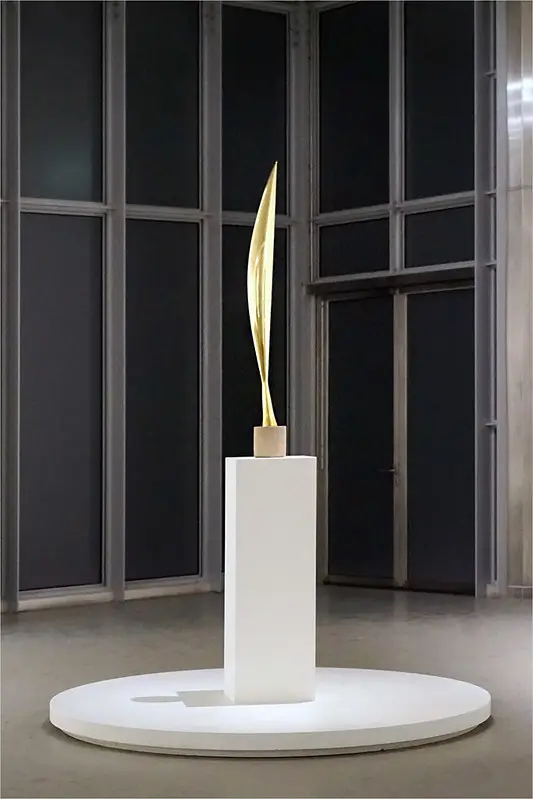
Source: Jean-Pierre Dalbéra, Constantin Brâncuși – Bird in Space, Attribution (CC BY 2.0), https://flic.kr/p/21FqTgU
Materials: A Playground for Creativity
One of the fascinating aspects of abstract sculpture is how artists experiment with materials. Traditional options like bronze, wood, and stone remain popular, but many sculptors push boundaries by using glass, plastic, or even found objects like scrap metal.
The material itself often shapes the message. Polished metals might convey sleekness and sophistication, while rough-hewn wood feels raw and organic. For instance, Barbara Hepworth, a pioneer of abstract forms, used wood and stone to create pieces that feel deeply connected to nature. Her sculptures often have hollow spaces, inviting viewers to look through and experience them as part of the surrounding environment.
Some artists take an even more unconventional approach. Contemporary sculptors might incorporate recycled materials or use 3D printing technology to design intricate, futuristic forms. These choices show how abstract sculpture is constantly evolving, blending traditional craftsmanship with modern innovation.
What Makes Abstract Sculpture Important?
At first glance, abstract sculptures can feel puzzling. But that’s exactly the point—they don’t spoon-feed a single meaning or story. Instead, they encourage you to pause and engage, asking, “What does this make me feel?”
This openness makes abstract sculpture accessible in a surprising way. You don’t need to know art history or understand technical jargon to appreciate it. A child might see a playful shape, while an adult might interpret it as a profound commentary on balance or chaos. There’s no right or wrong, just the interaction between the viewer and the piece.
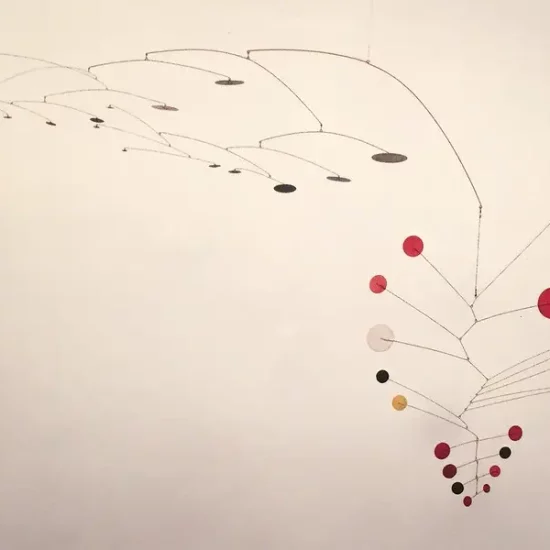
Abstract sculptures also transform the spaces they inhabit. Think about large outdoor installations, like Alexander Calder’s kinetic mobiles or monumental steel structures by Richard Serra. These works don’t just sit in a space—they define it, reshaping how people move and interact within their surroundings.

Source: Olaf, Richard Serra – Attribution-NoDerivs (CC BY-ND 2.0), https://flic.kr/p/6k4PDT
Influences and Origins
The rise of abstract sculpture in the early 20th century didn’t happen in isolation. It was part of a broader shift in art, where movements like Cubism and Futurism challenged traditional ideas of representation. These movements encouraged artists to break down objects into geometric shapes or explore the dynamics of speed and motion.
Brancusi was deeply inspired by his Romanian heritage, blending folk art traditions with modernist ideas. His pieces often feel timeless, rooted in ancient forms but stripped down to their essence. Meanwhile, artists like Henry Moore and Barbara Hepworth brought abstraction to public spaces, making it a part of everyday life.
Today, abstract sculpture continues to evolve. Some artists explore themes of technology and urbanization, while others focus on sustainability or the relationship between humans and nature.
How to Experience Abstract Sculpture
There’s something special about encountering an abstract sculpture in person. Photos or videos can’t capture the full experience of walking around it, seeing how the light hits different angles, or feeling its presence in a room or open space.
Visiting modern art museums or sculpture gardens is a great way to dive into this world. Many cities also have public installations that invite you to pause during your day and take in something unexpected.
If you’re new to abstract art, start by observing how it makes you feel rather than trying to “figure it out.” Let your eyes wander, notice the textures and shapes, and let your imagination do the rest.
Why It Resonates
Abstract sculpture asks you to step out of the ordinary and see the world from a fresh perspective. Whether it’s a polished metal form in a city plaza or a rustic wooden piece in a quiet gallery, abstract sculpture has a way of sticking with you. It doesn’t demand understanding; it invites exploration.
So next time you see an abstract sculpture, don’t rush past it. Stop, take a closer look, and let it speak to you. Chances are, you’ll come away seeing something new—not just in the sculpture, but in yourself.
Featured image: Isabell Schulz, Alexander Calder – Kinetic mobiles, Attribution-ShareAlike (CC-SA BY 2.0), https://flic.kr/p/Fu6Gvb