
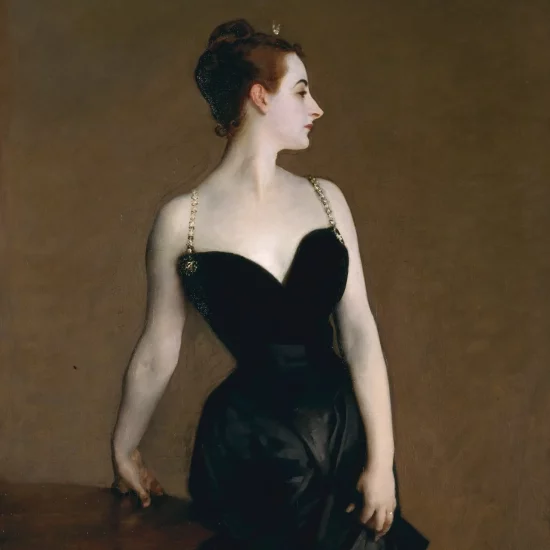
Introduction to John Singer Sargent’s Paintings
John Singer Sargent’s Paintings aren’t just visually stunning; they have a depth that feels almost personal. He is one of those artists whose work seems to transcend time. From society portraits to intimate landscapes and even scenes of war, Sargent had an uncanny ability to make his art come alive. Let’s explore why his work still captivates viewers today.
Portraits That Tell a Story
It’s not hard to see why Sargent made his name as a portrait artist. His portraits didn’t just show what someone looked like; they seemed to capture who they were. A perfect example is Portrait of Madame X. When he first exhibited it in 1884, people were shocked by its boldness, and the painting had a controversial reception. The sitter’s pale skin and striking black gown created a sharp contrast, and her pose was full of attitude. Today, it’s considered iconic, a symbol of his innovative style.
Another standout is Dr. Pozzi at Home, painted in 1881. The subject, a charismatic doctor dressed in a vivid red robe, almost leaps off the canvas. Sargent managed to infuse his portraits with energy and personality, which is what made him so sought after. Wealthy clients knew that a portrait by Sargent was more than just a picture—it was a glimpse into their essence.
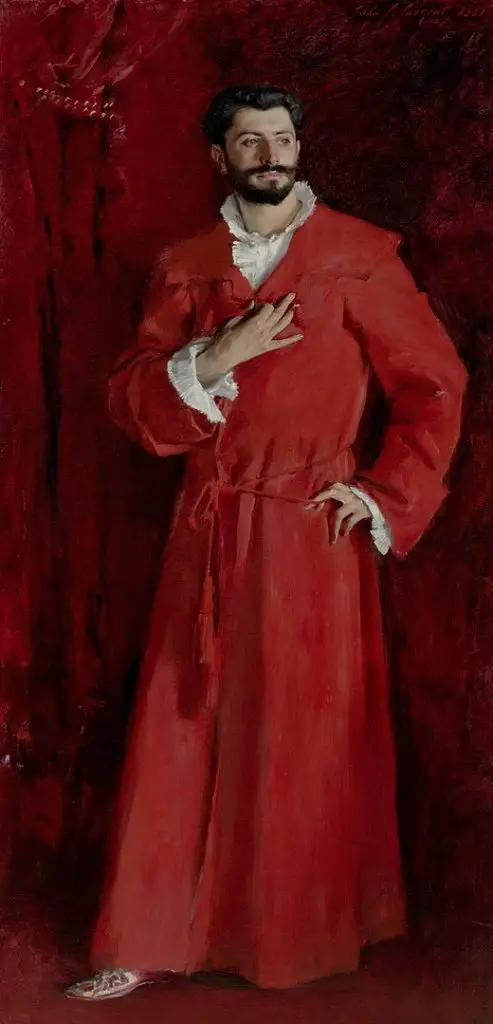
Source: https://commons.wikimedia.org/wiki/File:Pozzi,_Samuel_-_Par_Sargent.jpg?uselang=en
Landscapes and Watercolors: A Different Side
While Sargent’s portraits brought him fame, his landscapes and watercolors reveal a more personal, relaxed side. These works feel less formal and more spontaneous, as if he painted them just for himself. His watercolors of Venice, for example, focus on quiet, intimate details—light reflecting off water or shadows playing on ancient buildings. They’re not grand, sweeping views but small moments that feel alive.
He was also drawn to nature, painting scenes of the Alps, the Mediterranean, and beyond. In these works, you can see his mastery of light and color. There’s a looseness to the brushwork that contrasts with the precision of his portraits, yet the same skill shines through. It’s clear he loved capturing the beauty of the world around him, whether it was a bustling canal or a serene mountain pass.
A Powerful Tribute to War
One of Sargent’s most moving works is Gassed. Painted after he visited World War I battlefields, it shows soldiers injured by gas attacks, walking in a line with their eyes bandaged. It’s a quiet, somber scene, but that’s what makes it so powerful. Instead of focusing on the chaos of war, Sargent depicted its human cost with dignity and restraint.

Source: https://commons.wikimedia.org/wiki/File:Sargent,_John_Singer_(RA)_-_Gassed_-_Google_Art_Project.jpg?uselang=en
This painting marked a departure from his usual themes, but it showed his ability to tackle serious, weighty subjects with the same sensitivity he brought to his other work. It’s a reminder of his range as an artist and his ability to connect with viewers on an emotional level.
What Makes John Singer Sargent’s Paintings Unique?
Sargent had a gift for combining precision with a sense of movement. His brushwork was confident and fluid, giving his paintings energy without sacrificing detail. He was also a master of light. Whether it was the shimmer of a silk dress or sunlight bouncing off water, his use of light added depth and mood to his work.
At the same time, his paintings feel modern. There’s a looseness and spontaneity to them that makes them stand out from the more rigid works of his contemporaries. His style was grounded in tradition but wasn’t afraid to push boundaries.
Why Sargent Still Resonates Today
Sargent’s art remains as compelling now as it was in his time. His ability to capture human emotion, whether in a formal portrait or a simple watercolor, makes his work feel timeless. Museums around the world, from the Met in New York to the Tate in London, showcase his paintings, and for good reason. They offer a window into a world that’s both elegant and deeply relatable.
Whether you’re drawn to his bold portraits or his more intimate landscapes, there’s something about Sargent’s art that feels personal. He painted not just what he saw, but what he felt—and that’s what keeps people coming back to his work.
Featured Image: https://commons.wikimedia.org/wiki/File:Madame_X_(Madame_Pierre_Gautreau),_John_Singer_Sargent,_1884_(unfree_frame_crop).jpg?uselang=en