Kawaii, a term that translates to “cute” in Japanese, has become a cultural phenomenon influencing creativity, style, and expression. Its roots can be traced back to Japan’s Heian period (794-1185), where the aristocracy exchanged small, intricately designed objects known as tesaguri, embodying an early form of the aesthetic that would evolve over time. Centuries later, the concept transformed into a modern cultural force, thriving today in countless forms.
The Evolution of Kawaii in Art
The modern version of kawaii began taking shape in the 1970s. During this era, Japanese teenagers developed a distinctive, childlike handwriting style characterized by rounded characters adorned with hearts, stars, and cartoon faces. This writing trend, known as marui ji (round writing), koneko ji (kitten writing), or burikko ji (fake-child writing), served as a form of self-expression and a subtle rebellion against Japan’s post-war societal norms.
This youth movement caught the eye of companies like Sanrio, which introduced Hello Kitty in 1974. Designed by Yuko Shimizu, Hello Kitty quickly became a cultural icon, with her simple, mouthless face allowing for a range of emotional interpretations. Despite her feline appearance, Sanrio clarified that Hello Kitty is actually a little girl named Kitty White, who lives in London with her family. Her universal appeal demonstrates how simplicity can connect with people on a deeper level.
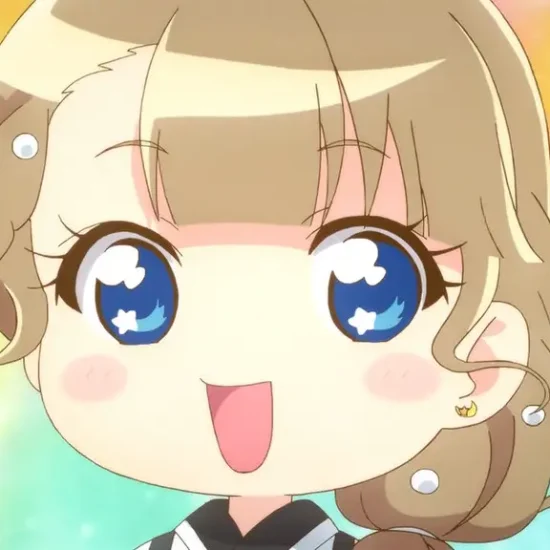
As this culture expanded, it significantly influenced manga and anime. Series like “Sailor Moon” and “Cardcaptor Sakura” brought the aesthetic into their visual and narrative styles, helping to establish a new era of storytelling centered around themes of cuteness.
Kawaii’s Impact on Contemporary Art
The influence of kawaii goes beyond commercial products and deeply into contemporary art. Artists like Takashi Murakami and Yoshitomo Nara have embraced elements of this aesthetic, merging traditional Japanese art styles with modern pop culture. Murakami’s “Superflat” movement, for example, combines high and low art forms, often incorporating bright colors and cartoon-like characters to reflect this playful sensibility.
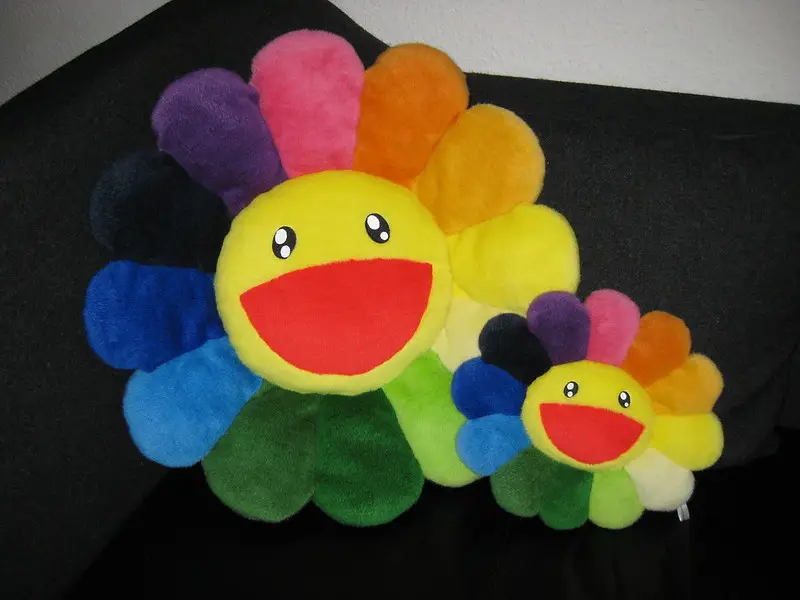
Source: Achim Hepp, Attribution-ShareAlike (CC BY 2.0), https://flic.kr/p/7GJoYG
Yoshitomo Nara’s paintings of wide-eyed, childlike figures exude innocence while often conveying deeper, sometimes unsettling emotions. This contrast invites viewers to explore the complexities beneath the surface of cuteness. Another notable example is Chiho Aoshima, whose dreamlike landscapes merge kawaii influences with surreal and fantastical elements, showcasing the aesthetic’s diversity.
Pro Tip: When examining kawaii art, look for subtle expressions and body language. Artists frequently use these details to add layers of emotion, contrasting with the overt cuteness.
Kawaii in Fashion and Design
This culture has left a significant mark on fashion, inspiring styles like Lolita fashion, which features Victorian-inspired dresses, lace, and pastel tones to create a doll-like appearance. This trend emphasizes modesty and innocence, aligning closely with kawaii ideals. Meanwhile, Harajuku street style celebrates individuality with bold colors, playful patterns, and creative layering, all of which embody self-expression.
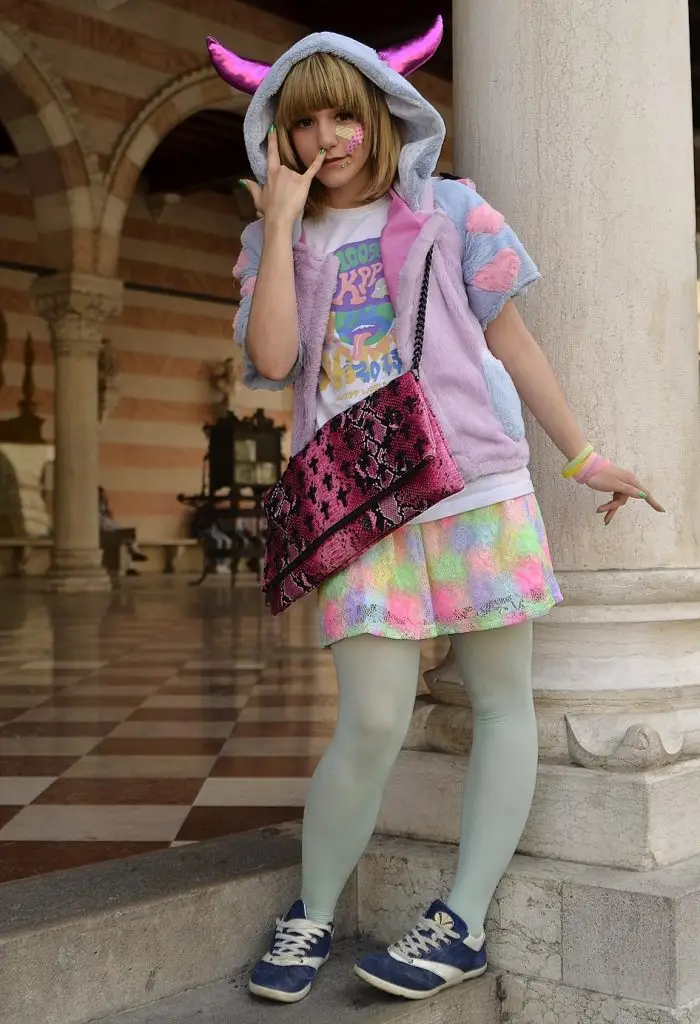
Source: chripell, Harajuku Fashion Walk Udine, Attribution-ShareAlike (CC BY-SA 2.0), https://flic.kr/p/eePdDZ
In design, the use of soft colors, rounded shapes, and playful motifs are central to the aesthetic. These features appear in everything from stationery to home décor, creating a warm and approachable environment. Digital spaces have also embraced this style, with its influence visible in user interfaces and social media branding.
Pro Tip: Adding elements like pastel tones, rounded typography, and whimsical illustrations to design projects can elicit positive emotional responses and reflect the spirit of kawaii.
The Global Spread of Kawaii
Although deeply rooted in Japanese culture, kawaii has transcended borders, influencing global pop culture. Characters like Pokémon and franchises such as Animal Crossing have introduced its aesthetic to audiences worldwide, creating widespread appeal. Similarly, Studio Ghibli films, such as “My Neighbor Totoro,” have brought kawaii-inspired storytelling to international cinema.
The internet and social media have played a significant role in spreading the aesthetic. Artists and designers worldwide have embraced kawaii elements in their work, fostering cross-cultural exchanges. Platforms like TikTok and YouTube are now filled with tutorials, DIY projects, and cosplay, showcasing how people from various backgrounds reinterpret this aesthetic.
Pro Tip: To keep up with kawaii trends, follow creative communities on Instagram or Pinterest. Engaging with these spaces can spark inspiration and provide insight into its ever-evolving nature.
Cultural and Psychological Impact
Kawaii is more than a visual style—it serves as a cultural lens reflecting societal values and emotional connections. It often provides an escape from daily stress, offering comfort and nostalgia. Studies even suggest that engaging with kawaii imagery can enhance productivity and mood, highlighting its psychological allure.
Pro Tip: Incorporate kawaii into art therapy or mindfulness exercises. Drawing simple, cute characters or doodling can be a relaxing way to unwind and express emotions.
Conclusion
Kawaii is far more than a passing trend; it’s a vibrant cultural expression that embodies creativity, emotion, and connection. From its historical roots to its global influence, the aesthetic continues to inspire artists, designers, and fans worldwide. By delving into the nuances of kawaii, we gain a deeper appreciation of its role in shaping visual culture and its ability to bring joy in unexpected ways.
Featured image: https://flic.kr/p/2npgJgh