AI-generated art might sound like something from a sci-fi story, but it’s become increasingly accessible and popular over the past few years. In essence, this technology uses artificial intelligence, specifically machine learning models, to create artwork based on specific instructions, examples, or even random prompts. Unlike traditional art forms, AI art is generated through algorithms that can analyze massive amounts of data—like thousands of photos, paintings, or designs—and produce images that resemble them or invent entirely new creations. It’s both a thrilling and controversial topic, sparking debates over creativity, ownership, and what it means to be an artist.
One of the key techniques behind AI art is called “deep learning,” which involves training algorithms on large sets of data. These algorithms, like the well-known neural networks, learn to recognize patterns and details, allowing them to replicate styles, textures, and colors with surprising accuracy. The outcome? Digital works that can mimic famous styles, like Impressionism or Surrealism, or generate new visuals that blend a variety of elements into one image. This technology has applications in many fields, from commercial design to video game development, and even into high-end gallery exhibitions.
How AI Art is Created
AI-generated art can be made using various tools and software, the most popular being generative adversarial networks (GANs). With GANs, two neural networks “compete” with each other. One network creates images, while the other critiques them, helping refine the final output until it meets a desired level of quality. It’s a bit like having a digital artist who learns and improves with each iteration, guided by feedback on what looks “right” or “wrong.”
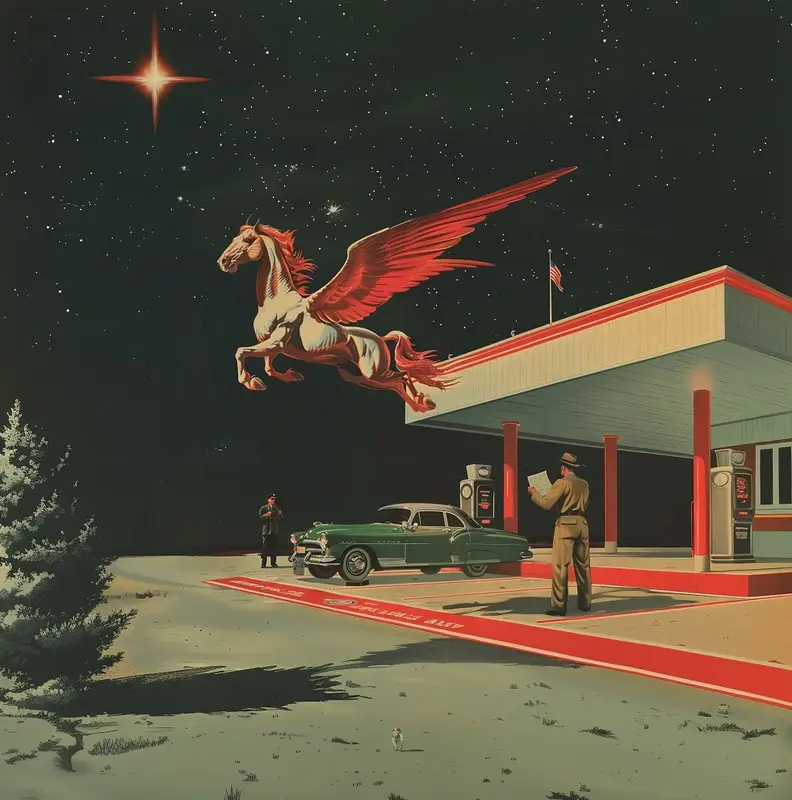
Source: https://flic.kr/p/2q29zKZ
Tools like DALL-E, Midjourney, and Stable Diffusion have also brought AI art creation to the public. These programs let users type in a description, like “a sunset over a futuristic city,” and watch as the AI turns those words into a unique image. Such tools have fueled excitement and creativity online, with users sharing thousands of AI-generated images across social media platforms.
Creativity and Controversy: Is AI Art Real Art?
One of the big questions surrounding AI art is whether it’s “real” art or just a technological trick. Traditional artists often invest years mastering their techniques, while AI models can churn out thousands of images within seconds. Some argue that because the AI lacks intent, it can’t truly be considered creative—it’s more like a tool that follows directions. Others see it differently, viewing AI art as a new form of collaboration between human imagination and machine capability.
For example, an artist might use AI to create an initial image, and then refine it manually, blending their ideas with the AI’s suggestions. In this way, AI becomes a creative partner, much like any other artistic medium. But there’s a growing concern in the art world about the role of human input. With some tools, the artist’s role is minimized to a few descriptive words, raising questions about the value and originality of the resulting work.
The ethical concerns don’t end there. Many AI models are trained on databases filled with existing artwork, photos, or designs, often scraped from the internet without explicit permission. This has led to discussions about intellectual property rights, as some artists feel their work has been used without consent to train AI models that could potentially “compete” with them for jobs.
The Impact on the Art World
AI-generated art has gained serious attention in galleries and the commercial art scene. Some pieces created by AI have sold for significant amounts in art auctions, catching the eyes of collectors and investors alike. The most famous example is a piece titled “Edmond de Belamy,” created by the Paris-based art collective Obvious using GANs, which sold at a Christie’s auction for over $400,000 in 2018. It was a pivotal moment that placed AI art on the radar of art investors worldwide.
This integration of AI in art has sparked mixed reactions in the traditional art world. For some, AI is an exciting new medium, like the introduction of photography in the 19th century. Others feel it challenges the values and traditions that define what “real” art is. Even so, it’s clear that AI has added a new dimension to creative expression, and the boundaries of what AI can achieve are constantly expanding. In the world of commercial art, AI has become a valuable tool for quick production, aiding designers in fields like fashion, branding, and game design.
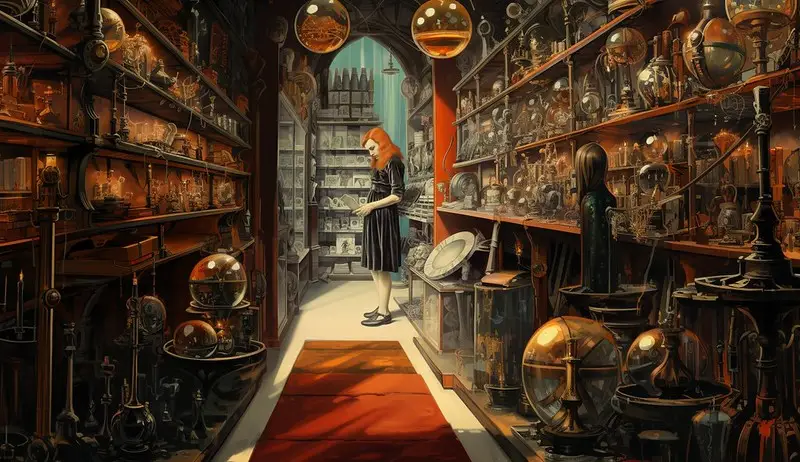
Source: https://flic.kr/p/2pkwKPg
What Does the Future Hold?
As AI art continues to evolve, its future in the art world looks both promising and complex. We’ll likely see more crossover between AI and other artistic mediums, leading to even more hybrid art forms. VR and AR technology, for example, could allow AI-generated art to create immersive experiences where viewers walk through a painting or interact with AI-created characters in real time.
On a practical level, AI-generated art could play a role in fields like education and mental health. Some schools are already exploring the use of AI art tools to introduce students to creativity in a more interactive way. In therapy, AI-generated art could help people express emotions or work through trauma without the pressure of drawing or painting “correctly.”
But there’s still a need for balance. As AI art becomes more commonplace, society will need to consider regulations, ownership rights, and the ethical use of artists’ works in training models. The conversation about AI in art is far from over, and the questions it raises will likely lead to new ways of thinking about creativity and the roles of artists and technology in shaping culture.
Wrapping It Up
AI-generated art is reshaping the boundaries of what we consider creative, artistic, and human-made. From its roots in machine learning to its current role in design studios and galleries, AI art has become more than just a novelty. While debates around authenticity, creativity, and ethics continue, AI has undeniably made its mark on the art world and opened up new possibilities for how we interact with and think about art. Whether it’s the dawn of a new era or simply another chapter in the history of creativity, AI-generated art is here to stay, and it’s making us rethink what art can be.