

Introduction to Roman Statues
Roman statues occupy a significant place in art history. They stand as testaments to the innovation, skill, and cultural values of one of the most influential civilizations in history. From grand portraits of emperors to intricate depictions of gods and mythological figures, these works of art offer a glimpse into the world of ancient Rome.
Created in a period of dynamic socio-political growth, Roman statues were designed to inspire, honor, and sometimes even influence the masses. Their artistic methods blended elements of Greek workmanship with distinct Roman innovation, resulting in a style that is both unique and timeless.
What sets Roman statues apart is their “timeless elegance.” Their lifelike realism captures the essence of their subjects and the era they represent. Through these statues, we can see how art was used not only as decoration but as a powerful tool to communicate identity, ideology, and values.
Join us as we explore the characteristics, cultural reflection, and enduring legacy of Roman statues. By the time we reach the conclusion, you’ll understand why these sculptures continue to inspire awe and admiration even in today’s modern world.
The Key Characteristics of Roman Statues
Roman statues are celebrated for their unparalleled focus on realism. Artists painstakingly recreated human features, down to the wrinkles and blemishes, capturing the individuality and imperfection of their subjects. This meticulous anatomical accuracy distinguished Roman statuary from other ancient art forms. It was a departure from the idealized depictions of earlier traditions, offering instead a lifelike portrayal of humanity.
Portraiture played a central role in Roman statuary. Sculptures of emperors, military leaders, and prominent public figures were created not just to immortalize these individuals but to convey their personality and authority to the audience. These statues served as a visual reflection of the subject’s accomplishments and virtues, ensuring their legacy endured for generations.
Materials such as marble, bronze, and terracotta were commonly used by Roman sculptors. Marble was favored for its durability and aesthetic appeal, while bronze allowed for intricate detailing and dynamic designs. Terracotta, though less costly, was often employed for smaller, less formal works.
Symbolism was another defining trait of Roman statues. Many of these statues carried deeper meanings, often linked to religion or politics. Statues of deities expressed the close relationship between the divine and mortal worlds, while monuments depicting military triumphs highlighted Rome’s power and glory.
Pro Tip: While studying Roman statues, pay attention to their fusion of idealism and realism. This combination allowed the sculptures to depict gods and rulers with grandeur while retaining human authenticity to connect with viewers.
Roman Statues as a Reflection of Society
Roman statues served as a mirror to their society’s values and priorities. They celebrated the achievements of military leaders, politicians, and other notable individuals, often showcasing their conquests, virtues, or divine favor. Such statues became a way to promote civic pride and patriotism among the people.
In public spaces like forums and temples, statues of emperors and historical figures stood as symbols of political propaganda. They reminded citizens of their leaders’ power, divine right to rule, and connections to Roman traditions. The statues of victorious generals and soldiers, in particular, conveyed a strong message of military supremacy.
Family values were deeply ingrained in Roman society, and this was reflected in ancestral portraiture. Sculptures of deceased ancestors were common in homes and public spaces, serving as a way to honor familial legacy and maintain ties to their heritage.
Pro Tip: To understand the societal impact of Roman statues, consider their placement. Statues in public squares celebrated collective pride, while family portraits emphasized personal connections and traditions.
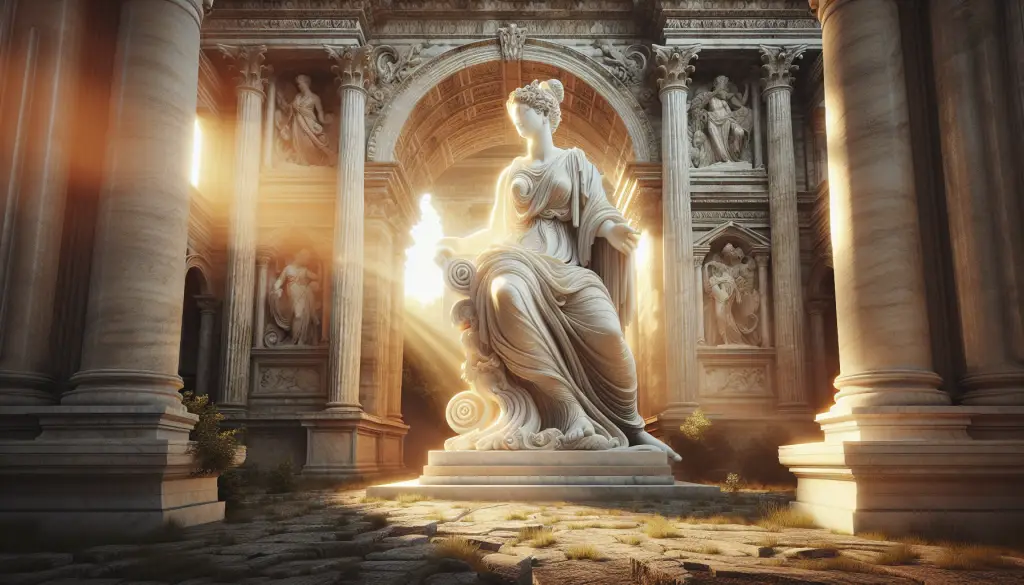
Influence of Greek Art on Roman Statues
Roman statues owe much of their technical and stylistic foundation to ancient Greek art. The Romans admired the Greek ideals of beauty, harmony, and proportion, which significantly influenced their own artistic creations. They often imported Greek craftsmen to create works and even replicated well-known Greek masterpieces.
However, Roman statues maintained their unique identity. While Greek statues often focused on idealized forms, Roman sculptures aimed for realism and individuality. This blend of Greek aesthetics and Roman practicality resulted in art that was both beautiful and accessible to its audience.
Pro Tip: When comparing Greek and Roman statues, note how Greek art glorifies the ideal human form, while Roman art seeks to capture the essence of the individual’s identity and accomplishments.
The Decline and Rediscovery of Roman Statues
With the fall of the Roman Empire, the prominence of Roman statues significantly declined. Many were destroyed, repurposed, or forgotten as art shifted to align with early Christian ideologies, which often rejected pagan symbols.
The Renaissance brought Roman statues back into the spotlight. Rediscovered works reignited interest in classical art, influencing iconic figures like Michelangelo and Bernini. These masterpieces fueled the evolution of the Renaissance and Baroque art movements, shaping Western aesthetics for centuries to come.
Roman statues continue to captivate museums, private collectors, and scholars, solidifying their importance in both historical preservation and aesthetic appreciation.
Pro Tip: Explore Renaissance art to see direct references to Roman statues. These allusions highlight how classical art remained a source of inspiration for generations of artists.
Timeless Elegance: The Legacy of Roman Statues
Even in the modern era, Roman statues remain iconic symbols of timeless elegance. Their refined craftsmanship, realist portrayal, and symbolic depth continue to influence contemporary art, architecture, and design. Their aesthetic appeal transcends time, connecting us to a rich cultural heritage.
Beyond their beauty, Roman statues serve as windows into a fascinating past. They reveal historical, philosophical, and artistic achievements, sparking a deeper appreciation for humanity’s creative journey. This timeless connection between past and present is part of what makes Roman statues so enduringly relevant.
Pro Tip: Whether you’re an art enthusiast or a casual observer, take time to admire the details of Roman statues. Each piece tells a story—an intimate link to the personal and cultural aspirations of an ancient world.
In conclusion, Roman statues are far more than mere decorative objects. They embody the artistic brilliance, cultural values, and enduring legacy of Rome. Centuries later, they remain a source of inspiration, awe, and admiration—a true testament to their timeless elegance.