
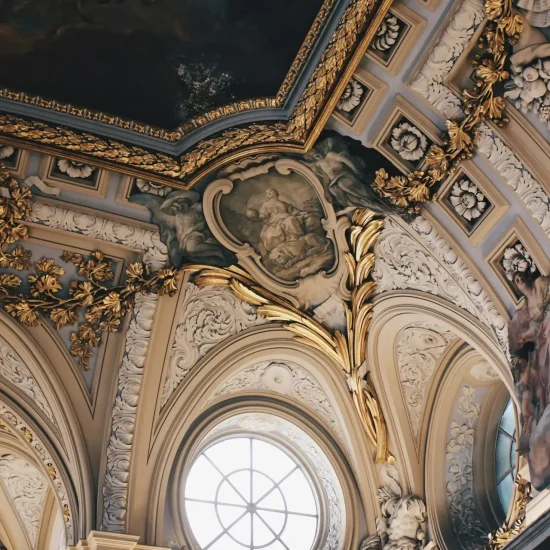
Rococo, born in early 18th-century France, was a design movement that felt like a breath of fresh air after the dramatic intensity of Baroque. It brought something lighter, more playful, and intimate to the table. Everything about it—its flowing lines, pastel shades, and delicate details—screamed beauty, but in a way that invited you to linger and enjoy instead of just being overwhelmed.
The World That Inspired Rococo
The Rococo style was shaped by a changing world. France’s aristocracy was shifting away from the grandeur and formality of Louis XIV’s court. People wanted comfort and intimacy, both in their homes and their art. Palaces gave way to private townhouses, and lavish ballrooms were replaced with smaller, cozy salons designed for conversation and leisure.
This new approach wasn’t about impressing the masses. It was about creating spaces where life could feel softer, lighter, and maybe even a little indulgent. Rococo took that mindset and ran with it.
Interiors That Embraced Playfulness
If you’ve ever stepped into a Rococo-inspired room—or seen one in pictures—it’s clear how much thought went into every detail. The walls weren’t just walls; they were canvases of swirling curves, delicate floral patterns, and gold accents that caught the light in all the right ways.
Pastel colors dominated the palette. Think soft blues, blush pinks, and gentle greens, all combined to create a calming yet cheerful atmosphere. Mirrors played a big role too. They weren’t just decorative; they reflected light, making rooms feel more open and alive.
One of the best examples of this is the Hôtel de Soubise in Paris. The salons here are classic Rococo, with their intricate moldings, flowing designs, and dreamy ceiling frescoes. You can almost picture the lively conversations and gatherings that must have taken place in those rooms.
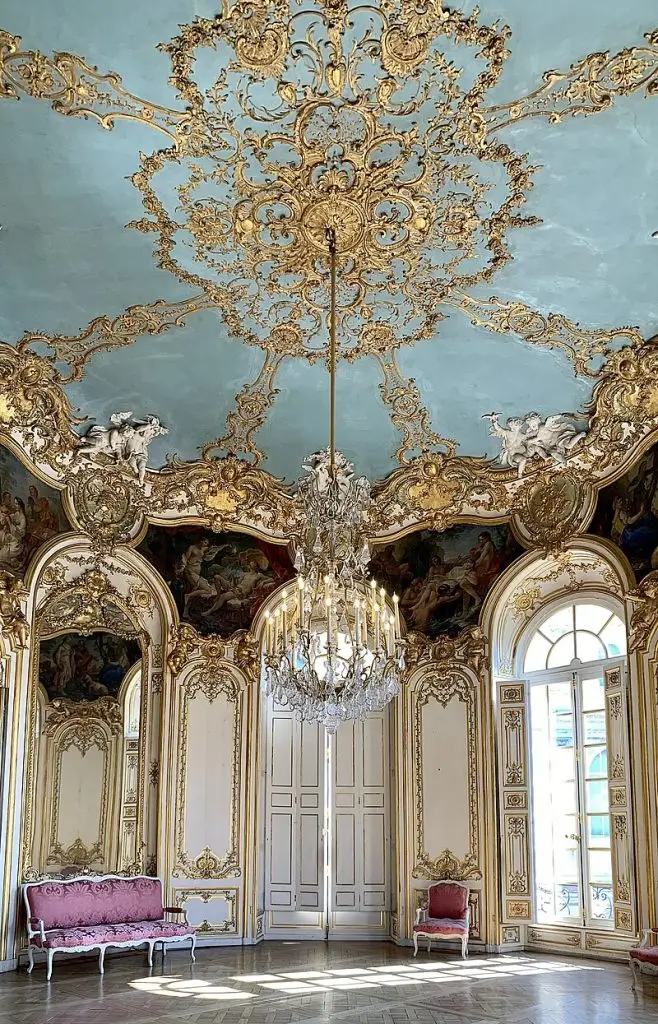
Source: Neoclassicism Enthusiast, Attribution-ShareAlike (CC BY-SA 4.0) – https://commons.wikimedia.org/wiki/File:Salon_Oval_de_la_Princesse_of_the_H%C3%B4tel_de_Soubise_(Paris).jpg
Furniture That Followed the Flow
Rococo wasn’t just about grand interiors. It also worked its way into furniture, turning everyday objects into works of art. Chairs, tables, and even desks took on curving, asymmetrical forms. They were often adorned with carvings of flowers, shells, and other natural motifs.
But Rococo furniture wasn’t just about looks. It was practical too. Pieces were lighter and easier to move, perfect for the more flexible, informal lifestyles people were embracing. The fauteuil, or upholstered armchair, is a great example. With its flowing frame and plush seat, it was as comfortable as it was stylish.
Rococo Beyond France
Though Rococo started in France, it didn’t stay there. It spread across Europe, adapting to local tastes and traditions along the way. In Italy, for example, it blended beautifully with Venetian art and architecture, creating interiors that felt luxurious but still approachable.
Germany and Austria took the style to their churches. They added gilded details, frescoes, and a sense of airiness that made these spaces feel almost heavenly. The Wieskirche in Bavaria is a stunning example, with its bright, light-filled interior that feels both ornate and serene.
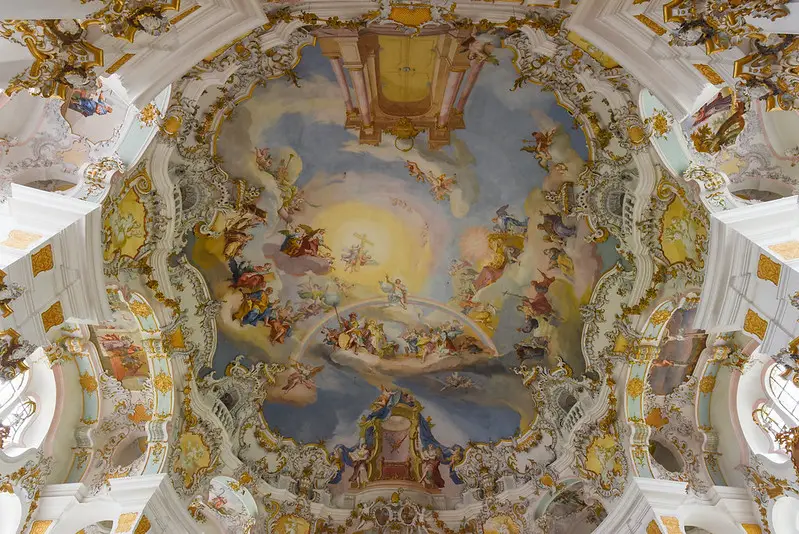
Source: hminnx – Wiestkirche, Attribution-NoDerivs (CC BY-ND 2.0) – https://flic.kr/p/JH1zmK
England got in on the trend too, especially in furniture design. English Rococo was a bit more restrained, but it still embraced the playful, natural motifs that defined the style.
The Fade of Rococo
By the mid-18th century, tastes started shifting again. The Enlightenment was in full swing, and people were craving something more grounded and structured. Enter Neoclassicism, with its clean lines and love of all things ancient Greece and Rome.
Critics at the time dismissed Rococo as overly decorative and lacking in substance. But even as it faded, its influence lingered, especially in the world of decorative arts. Today, it’s celebrated as a style that wasn’t afraid to embrace beauty for its own sake.
Why Rococo Still Captivates
Rococo might have been born in a very specific time and place, but its appeal is timeless. There’s something undeniably charming about its soft colors, intricate designs, and lighthearted spirit. It’s a reminder that art and design don’t always have to be serious to be meaningful.
When you look at a Rococo interior or piece of furniture, it’s easy to imagine the lives it touched—the laughter, the conversations, the moments of quiet reflection. Rococo wasn’t just about creating beautiful spaces. It was about making life feel just a little more beautiful too.
Featured image: https://unsplash.com/photos/gold-and-white-concrete-building-WxZlhLmYVTc