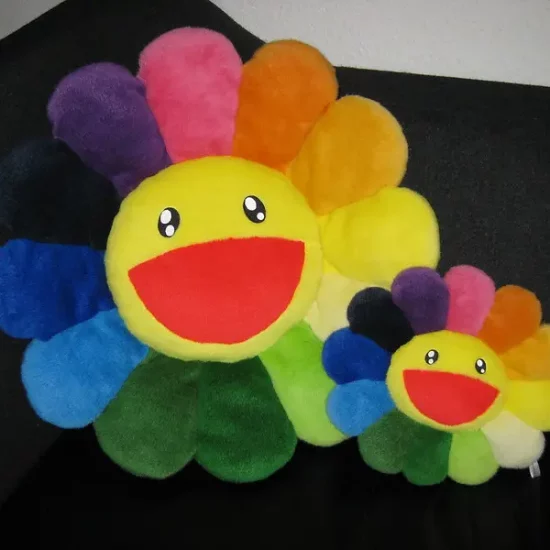
Takashi Murakami’s iconic flower motif, widely known as the murakami flower, has become a hallmark of contemporary art, seamlessly blending traditional Japanese aesthetics with modern pop culture. These vibrant, smiling flowers captivate audiences worldwide, but there’s more beneath their cheerful exteriors.
Origins of the Murakami Flower
Murakami’s journey with the murakami flower began during his studies in Nihonga, a traditional Japanese painting style. Tasked with replicating flowers, he painted them repeatedly, leading to the creation of his now-famous smiling blossoms. This process not only honed his skills but also allowed him to infuse traditional art with contemporary elements, bridging the gap between the old and the new.
Pro Tip: Exploring traditional art forms can provide a solid foundation for innovation. By understanding and mastering classic techniques, artists can reinterpret them in modern contexts, creating unique and compelling works.
Symbolism Behind the Smile
At first glance, the murakami flower exudes joy and innocence. However, it also delves into deeper themes. Some interpretations suggest that the flowers reflect the trauma and collective emotions stemming from historical events like the 1945 Hiroshima and Nagasaki bombings. This juxtaposition of cheerful imagery with profound meaning adds layers to Murakami’s work, inviting viewers to look beyond the surface of the murakami flower.
Pro Tip: Art often carries multiple layers of meaning. When analyzing a piece, consider historical and cultural contexts to gain a deeper understanding of its significance.
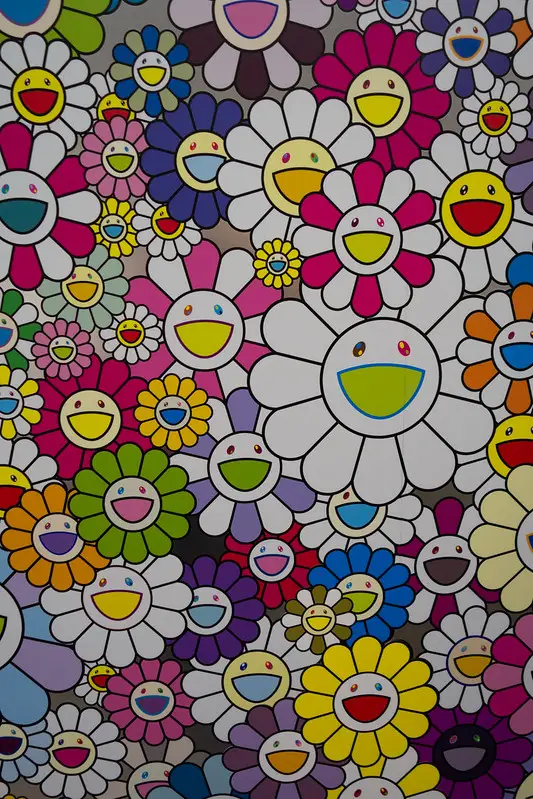
Source: Thomas Quine, Attribution (CC BY 2.0), https://flic.kr/p/JddCPX
The Murakami Flower in Contemporary Culture
The murakami flower has transcended the canvas, making significant impacts in fashion and digital art. His collaboration with Louis Vuitton in 2003, featuring the motif, became a cultural phenomenon, blending high fashion with pop art. The partnership’s success led to a re-edition collection in early January 2025, celebrating the 20th anniversary of the original collaboration. This collection includes over 200 new pieces, from handbags to accessories, adorned with the iconic murakami flower designs.
In the digital realm, Murakami embraced the NFT movement with his “Murakami.Flowers” project. This series features the flower artwork expressed as dot art, reminiscent of Japanese video games from the 1970s. The project revolves around the number 108, referencing the Buddhist concept of bonnō, or earthly temptations. Each combination of backgrounds and flower colors creates a unique piece, totaling 11,664 individual flower images, all centered on the murakami flower.
Pro Tip: Artists looking to expand their reach should consider collaborations across different industries and mediums. Such partnerships can introduce their work to new audiences and open up innovative avenues for creative expression.
The Duality of the Murakami Flower
While the murakami flower projects joy and positivity, it also represents the fleeting nature of happiness. Murakami explains that his flowers symbolize the cycle of life and death, suggesting a deeper introspection beneath their cheerful exterior. This duality challenges viewers to reflect on the transient nature of emotions and existence, as embodied by the murakami flower.
Pro Tip: When creating or interpreting art, consider the balance between appearance and underlying message. This duality can add depth and provoke thought, making the artwork resonate on multiple levels.
Murakami’s Influence on Modern Art
Murakami’s ability to blend traditional Japanese art with contemporary pop culture has positioned him as a pivotal figure in modern art. His work blurs the lines between high and low art, challenging conventional boundaries and encouraging a more inclusive understanding of artistic expression. The murakami flower serves as a powerful example of this blending, representing both artistic mastery and cultural commentary.
Pro Tip: Embracing diverse influences and breaking traditional boundaries can lead to innovative art forms. Artists should feel empowered to draw inspiration from various sources, creating works that reflect a fusion of cultures and ideas.
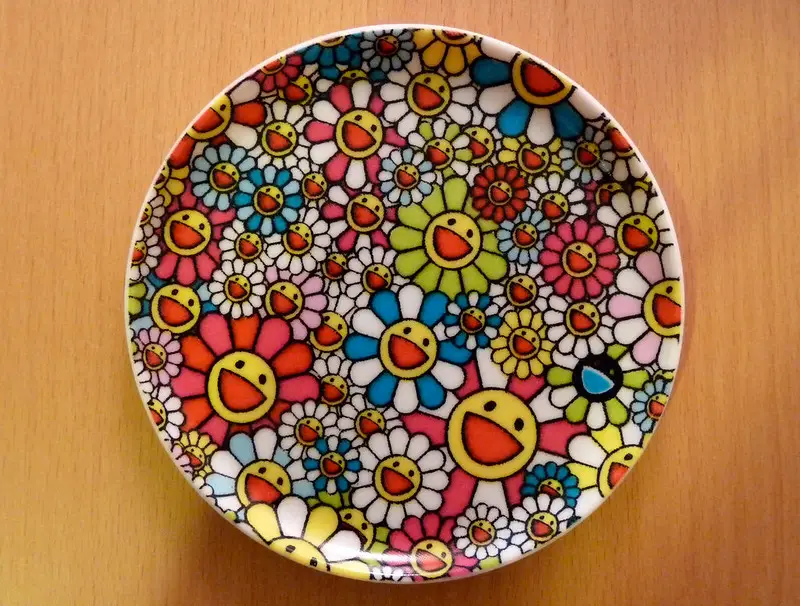
Source: Karen Horton, Attribution (CC BY 2.0), https://flic.kr/p/6irLMU
Why the Murakami Flower Matters
The murakami flower is more than just an artistic motif; it’s a cultural phenomenon. Its evolution from traditional Japanese art to a global icon reflects the changing dynamics of art and its ability to connect with audiences across generations. The motif’s versatility—appearing in galleries, fashion runways, and digital platforms—demonstrates the adaptability and relevance of Murakami’s vision.
Pro Tip: When studying art movements or iconic symbols like the murakami flower, observe how they adapt to new mediums and cultural shifts. This adaptability often defines their lasting impact.
Conclusion
Takashi Murakami’s flower motif, the murakami flower, is more than just a smiling blossom; it’s a complex symbol that intertwines joy with deeper reflections on life, culture, and history. Its evolution from traditional Japanese art to a global icon in contemporary culture underscores the power of art to transcend boundaries and evoke profound contemplation.
Pro Tip: When engaging with art, take the time to explore the stories and meanings behind the imagery. This deeper engagement can enrich your appreciation and understanding of the artwork, revealing the artist’s intentions and the cultural significance embedded within.
Featured image: Achim Hepp, Attribution-ShareAlike (CC BY 2.0), https://flic.kr/p/7GJoYG